


Original article
 “Strategy of optimization until 2035”
Im ersten Teil des MVF-Fachkongresses „Priorisierungskatalog Versorgungsforschung“, der am 13. Dezember 2022 online stattfand, mahnte Prof. Josef Hecken, unparteiischer Vorsitzender des G-BA und gleichzeitig Vorsitzender des beim G-BA angesiedelten Innovationsausschusses, eine „kritische Reflexion“ des Innovationsfonds an. Die startete „Monitor Versorgungsforschung“ mit dem zweiten Teil des Onlinekongresses, der am 24. Januar 2023 durchgeführt wurde. Hier kamen […]
02.04.2023


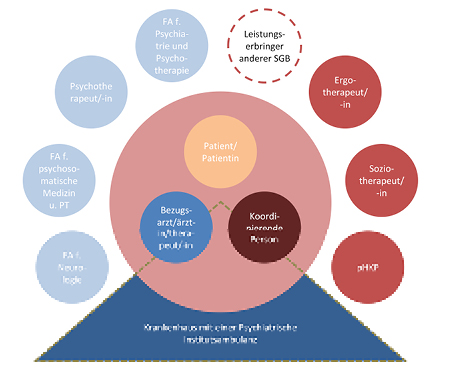 Start of implementation of the KSV Psych guideline
Social psychiatry in outpatient psychiatric and psychotherapeutic care
02.04.2023
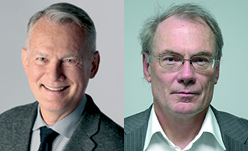 Corona and politics: On the role of science
Comment on the start of the comment series by Prof. Dr. rer. pole. Reinhold Roski1, Prof. Dr. med. Matthias Schrappe
02.04.2023
 On the role of clinical infectiology
Comment series part 1 by Prof. Dr. med. Matthias Schrappe
02.04.2023
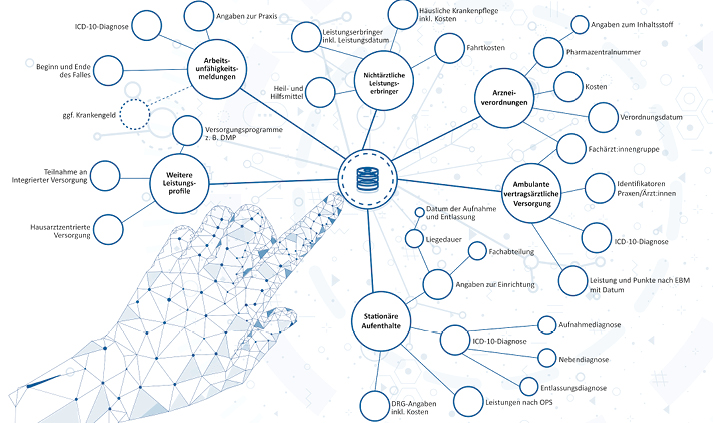 Successful digital projects made in NRW
White paper from the “Lighthouse Digital.Medicine.NRW” initiative of the Medicine.NRW cluster
02.04.2023
For drugs for the treatment of rare diseases (orphan drugs), the requirements of early benefit assessment according to Section 35a SGB V represent a particular challenge. The Institute for Quality and Efficiency in Health Care (IQWiG) concludes in working paper GA21-01 on orphan drugs, which are in the As part of a re-evaluation of a regular benefit assessment, the additional benefit of the initial benefit assessment for market access was fictitious.
02.04.2023
Cross-sectoral community care for the elderly: The CURANDUM case study. Life expectancy in Germany has increased significantly. The proportion of single-person households is growing, as is the shortage of skilled healthcare professionals. This is offset by changes in family and care structures, as well as the desire for an active and independent retirement in one's own home. How should older people cope with these […]
02.04.2023
In rural areas, both patients and smaller hospitals have limited access to medical specialists. Teleconsultations are already established between resident doctors and clinics. The additional consultation paths presented here can reduce quality losses in small clinics, thereby strengthening the raison d'être of primary care providers and thus avoiding unnecessary, burdensome and costly double examinations.