


Zi: Older GKV insured people in particular are disadvantaged by the budgeting of statutory health insurance services
30.07.2021 17:23
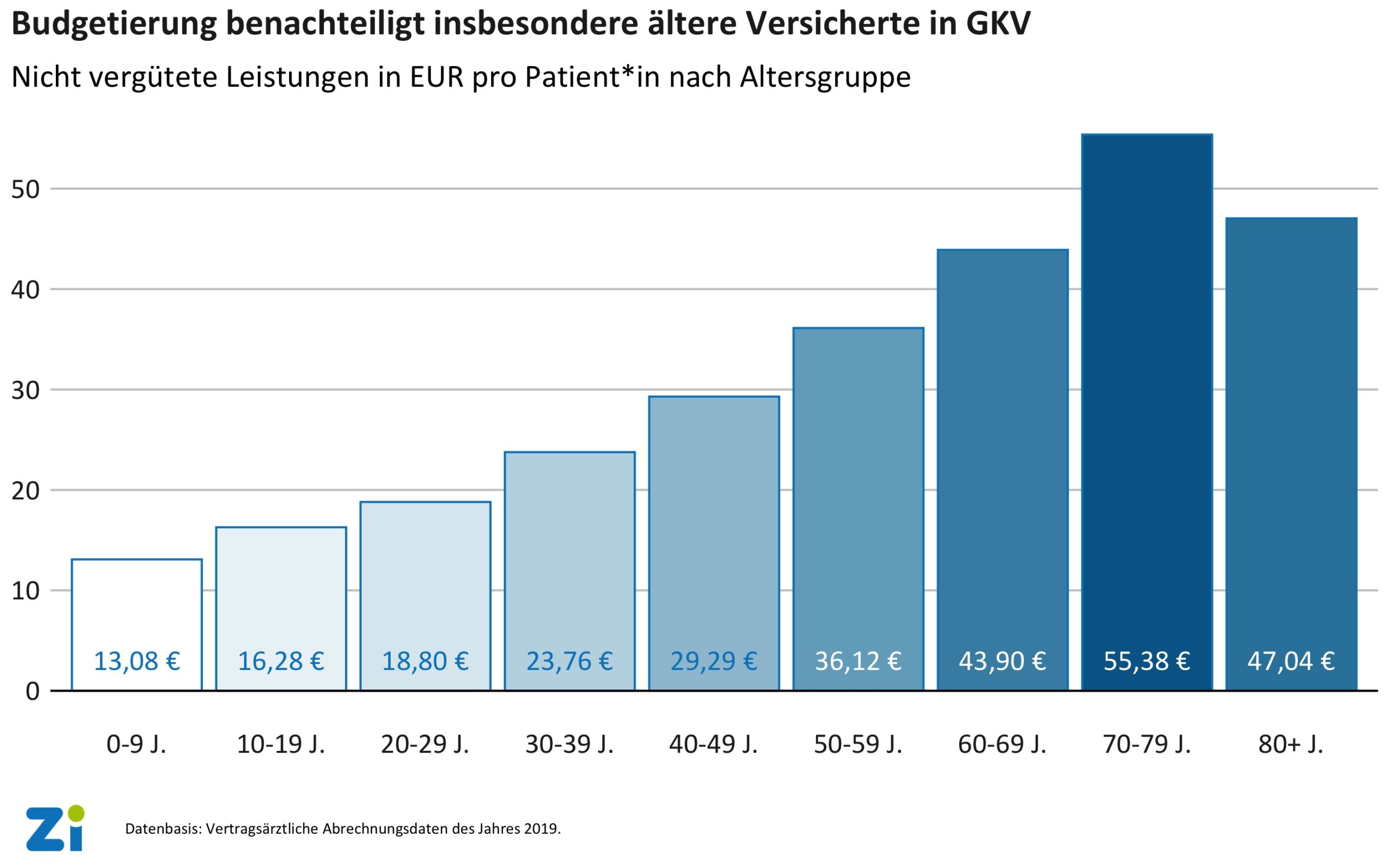
In 2019, the statutory health insurance companies (GKV) did not finance statutory health care services worth an average of 30 euros per insured person. The background is the budgeted morbidity-related total compensation (MGV), which defines a so-called need for treatment as necessary, which is significantly below the actual utilization of the insured person.
Since older and sicker insured people regularly use more statutory health services, budgeting in the care of these patients has a particularly negative impact. For 70 to 79 year olds, on average, benefits worth 55.38 euros were not covered by the statutory health insurance. The Appointment Service and Care Act (TSVG), which came into force in May 2019, was intended to reduce the proportion of uncompensated medical services. However, the effects cannot yet be conclusively assessed.
“Demographic change, the shortage of skilled workers and tapping into outpatient care potential in order to avoid unnecessary hospital stays are the key challenges in outpatient patient care in the coming years. To do this, the health insurance companies must fully finance the contractual medical services. This applies not only, but especially to the care of older and sicker patients. Proposals from individual health insurance associations to budget more services again are backward-looking and not suitable for shouldering the key challenges of the next few years. After the federal election, the new federal government must instead provide targeted incentives to fully finance the medical services provided. This is the only way to effectively meet the increasing need for care among insured persons,” said the Chairman of the Central Institute for Statutory Health Care (Zi), Dr. Dominik von Stillfried.