


From an automotive nation to a medtech nation? Germany in transition
08.04.2025 18:22
Germany is experiencing an economic upheaval. While traditional industries like the automotive industry are struggling with production declines and structural challenges, the medical technology sector is growing steadily and demonstrating impressive innovative strength. With annual growth rates of eight percent and billions invested in research and development, the industry is positioning itself as a potential future sector for Germany.
Despite its strengths, the medtech industry is under pressure – bureaucracy, rising costs, and a shortage of skilled workers could slow the boom. However, companies like Precisis are proving that innovative medical technology "Made in Germany" can usher in a new economic era.
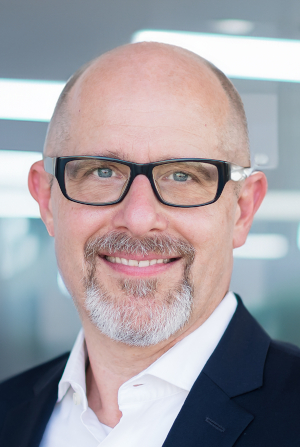
A nation undergoing an economic realignment like few others: Germany. For decades, the automotive industry was the undisputed backbone of the German economy. However, production declines – by over 15 percent since 2017 alone [1] –, new environmental regulations and competition from Asia are putting the sector under pressure. The recession has long been felt, with the crisis in the automotive industry contributing significantly to this downturn. The steel industry is also struggling with high energy costs and weakening demand. Change is inevitable: Germany must invest in new, sustainable economic sectors. One promising candidate is medical technology. With a market share of around 25% of European medical technology sales [2] and over 257,000 employees in Germany, the sector remains a key driver of innovation. [3] “The medical technology industry shows that Germany can continue to be a global leader in high technologies – if the right framework conditions are created,” says Karl Stoklosa, CEO of the medical technology company Precisis.
MedTech in Germany: 81% growth, 3 billion for research – and major hurdles
The medical technology sector is experiencing steady growth – despite economic uncertainty. According to market studies, the top 100 companies have increased their revenues by eight percent annually since 2019. However, the industry warns: Without improved economic policy conditions, rising costs and bureaucracy could slow growth. [4] This is also reflected in investments in research and development: nine percent of the industry's revenue – over 3 billion euros annually – is invested in innovations, making Germany the European leader in the field of medical technology. [5] The innovative strength is also reflected in the number of patent applications: 1,380 new patents were filed with the European Patent Office in 2023 alone. "We are currently experiencing a phase of change in the industry, in which new technologies are revolutionizing care. The MedTech sector in Germany is developing particularly dynamically in areas such as digital health, AI-supported diagnostics and personalized implants. Smart sensors enable more precise therapy planning, while AI-based analysis methods open up new avenues in the early detection of neurological diseases. Minimally invasive neuroimplants, such as the
EASEE® system, which is used in the treatment of epilepsy, shows the potential for tailored therapies,” explains Stoklosa.
Baden-Württemberg German MedTech Center
The medical technology sector employs around 257,000 people in Germany – more than in any other EU country. According to the BVMed autumn survey 2024, 32 percent of companies in this sector plan to expand their workforce compared to the previous year. The average number of employees at the largest companies in Germany in this sector has grown by six percent annually since 2019. The sector is particularly strong in Baden-Württemberg, where a third of the leading medical technology companies are located. Strong innovation clusters have also formed in Bavaria, North Rhine-Westphalia, and Hesse. [1] However, the shortage of skilled workers in particular threatens to become a bottleneck: highly qualified specialists are in high demand, which is intensifying the competition for talent. "Germany needs a targeted MedTech strategy to keep talent and investments in the country. Without a business-friendly framework, we risk innovations and jobs migrating abroad," warns Stoklosa.
Politics must act: Bureaucracy and rising costs are slowing down
Despite positive growth figures, the medical technology industry faces significant challenges. A survey shows that 78 percent of companies see growing bureaucracy as the biggest challenge, followed by rising personnel costs (72 percent) and regulatory hurdles due to the EU Medical Device Regulation (66 percent). [2] The industry is therefore calling on the German government to develop an independent MedTech strategy to lower regulatory hurdles and specifically promote innovation. Stoklosa also sees a responsibility on the part of politicians: "In Germany, we have the know-how, the research facilities, and the innovative strength. But we also need a business-friendly framework to remain internationally competitive."
More precise diagnoses, more targeted therapy: How AI is changing medical technology
One company that demonstrates the power of German medical technology is Precisis. The company develops minimally invasive implants specifically designed for patients who are not helped by conventional epilepsy medications. Numerous patients are already using the innovative technology – some for almost three years with continued success. "Our technology improves the lives of people who previously had few treatment options. It's about developing innovations with real added value," says Stoklosa. Precisis is one of several companies using new technologies to demonstrate the industry's potential for business and healthcare.
The MedTech industry as an opportunity for Germany
The evidence proves that Germany can remain economically strong even after the decline of traditional industries. With its innovative strength, strong exports, and stable demand, the medical technology sector offers a realistic perspective for the country's economic future. However, targeted political measures are needed to secure this growth sector. "We have the potential in this phase of transition to make medical technology a leading industry in Germany – but to achieve this, bureaucracy must be reduced, investments facilitated, and talent promoted," demands Stoklosa. He concludes: "The medtech sector can make a decisive contribution to Germany's economic stability – but only if politics and business act together. Targeted investment incentives and a reduction in bureaucracy are needed to ensure that Germany remains competitive as a location for innovation."
Sources
[2] https://covendit.de/m-a-wissen/ma-branchenreport-der-markt-fuer-medizintechnik/
[4] https://www.meyer-industryresearch.de/
[5] https://www.gtai.de/de/trade
About Precisis
PRECISIS GmbH is an innovative medical technology company based in Heidelberg that specializes in the development and commercialization of neuromodulatory therapies. Since its founding in 2014, PRECISIS has made a name for itself, particularly with the EASEE® brain pacemaker, a groundbreaking and minimally invasive solution for the treatment of epilepsy. Precisis GmbH was recently honored with the prestigious Health-i Award from Handelsblatt for its innovative EASEE®, further underscoring the importance and potential of this technology in epilepsy treatment. The company combines state-of-the-art technology with a deep understanding of the needs of patients and specialists. With a clear focus on its core markets in Europe and the USA, PRECISIS pursues the goal of sustainably improving the quality of life of people worldwide. PRECISIS relies on technological innovations that offer early therapeutic options, thus setting a new standard in neuromodulation.
Further information at https://precisis.de/de/