


Many cases of Lyme disease in East Germany and Bavaria
03.07.2023 17:51
In 2022, over 135,000 new Lyme disease diagnoses among those with statutory health insurance in Germany. Incidence is particularly high in East Germany and Bavaria. “Preventive health protection is becoming increasingly important as changing climatic conditions favor the spread of ticks as vectors of infectious diseases.”
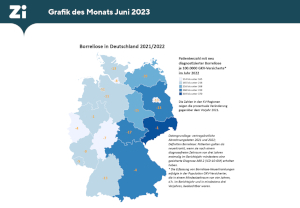
In 2022, 135,440 patients with statutory health insurance were diagnosed with Lyme disease for the first time in Germany. The tick-borne infection occurs nationwide - but there are significant regional differences in the risk of transmission. In the statutory health insurance billing data for 2021 and 2022 currently evaluated by the Central Institute for Statutory Health Insurance (Zi), the highest incidences of disease were in eastern Germany and Bavaria. The number of newly diagnosed Lyme disease cases varied between 121 in Berlin and 370 per 100,000 insured people in Saxony. The highest values were recorded in all eastern German federal states of Thuringia (306), Brandenburg (268), Saxony-Anhalt (256) and Mecklenburg-Western Pomerania (240) as well as in Bavaria (275).
Fluctuations in Lyme disease incidence between consecutive years are common
With a nationwide frequency of 203 newly diagnosed Lyme disease cases per 100,000 legally insured people, the number of incident patients in 2022 fell by 8 percent compared to the previous year (220 per 100,000 insured people). The corresponding values fell in all regions of the statutory health insurance associations - albeit to different extents. The largest declines were recorded in the three eastern German states of Mecklenburg-Western Pomerania (-19 percent), Thuringia (-17 percent) and Saxony-Anhalt (-15 percent). Fluctuations in Lyme disease incidence between consecutive years are common. In the period 2013 to 2022, the number of new cases per 100,000 people varied between 223 (2013) and 203 (2022). The previous high in recent years was reached in the second year of the corona pandemic in 2020, with a total of 241 new cases per 100,000 insured people.
Preventive health protection is becoming increasingly important<
“Although the factors influencing the incidence of Lyme disease are complex, it can be observed that climatic conditions such as milder winters and warmer, wetter spring to autumn periods can lead to an increase in the incidence of infection and disease in certain small-scale regions. The climatic factors extend the period of tick activity and density and thus increase the frequency of contact between people and ticks. A change in people's leisure behavior during the mobility restrictions in the two Corona years 2020 and 2021 could be another factor that helps explain the significantly increased number of Lyme disease infections compared to the pre-pandemic years. Preventive health protection is therefore becoming increasingly important. Our current evaluations of the spread of Lyme disease in Germany form a valid basis for preventive measures that can reduce the risk of infection,” said Zi CEO Dr. Dominik von Stillfried.
Lyme disease is the most common tick-borne infectious disease in Europe. The disease is caused by bacteria of the genus Borrelia. Mice and birds are the main pathogen reservoir. The pathogen is transmitted in Europe through the bite of the tick Ixodes ricinus. The disease can affect various organ systems, especially the skin, nervous system and joints. The clinical manifestations of the disease vary from mild forms such as erythema migrans (also known as wandering flush) to severe forms such as meningitis (inflammation of the meninges). Direct infection from person to person is not possible. There is currently no approved vaccination in Germany.