


Securing medical care – the German Medical Association (BÄK) calls for bold reforms
08.01.2025 17:21
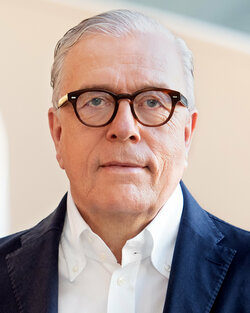
„"Healthcare in Germany faces massive challenges that require bold reforms in all areas of the healthcare system. Prevention, care management, deregulation, and the sustainable financing of our healthcare system must be a focus for the new federal government." This was stated on January 7th by Dr. Klaus Reinhardt, President of the German Medical Association, with regard to the federal elections in just under seven weeks and the subsequent coalition negotiations.
The interests of the food lobby must not take precedence over the welfare of the child.
„Children must be protected from the excessive consumption of sugary and fatty foods – for example, through targeted advertising bans and the introduction of a sugar tax. The profit interests of the food lobby must no longer be prioritized over the well-being of children,“ said the President of the German Medical Association. These measures should be complemented by regular and mandatory health education in schools and vocational schools. He pointed out that hundreds of thousands of people in Germany die from the consequences of preventable diseases. „Cardiovascular diseases cause human suffering and cost our healthcare system around 60 billion euros every year. Around 70 percent of these cases and the resulting costs could be avoided through prevention and a healthy lifestyle,” Reinhardt stated.
More coordination in care
Reinhardt also called for better coordination in patient care. "In Germany, patients are far too often left to organize and coordinate their care on their own. The result is a chaotic and disorganized system of care. In certain regions, on average, every second person has two general practitioners. With increasing staff shortages and tight budgets, we can no longer afford this," Reinhardt warned. It should become standard practice for patients to register with a general practitioner's office, which would then take over the coordination of their further treatment. For certain chronic illnesses, a specialist could also handle the coordination. This would require, for example, lower health insurance premiums for those who enroll in such a model.
One third less bureaucracy in three years
To give doctors more time for actual patient care, Reinhardt proposes a three-year task force on bureaucracy, comprised of representatives from politics and self-governing bodies. This task force would build upon existing individual proposals for reducing bureaucracy, aiming to lower the bureaucratic burden in the healthcare system by at least ten percent per year. Reinhardt: "If we have a third less unnecessary bureaucracy to deal with by the end of the next legislative period, we will have achieved a great deal for patient care."„
Unlocking the potential of 20,000 retired doctors for healthcare provision
To mitigate the effects of the doctor shortage, physicians of retirement age should be given the opportunity to continue contributing to patient care if they are willing. Reinhardt estimates the potential at approximately 20,000 additional full-time positions. This requires more social policy flexibility to allow retired colleagues to work part-time. Furthermore, the tax burden should be reduced through tax regulations and exemptions from social security contributions.
Stabilizing statutory health insurance finances
In light of rising health insurance premiums, the president of the German Medical Association, Reinhardt, called for non-insurance-related services to be financed through taxes. He also argued for a reduction in the value-added tax (VAT) on pharmaceuticals, similar to that already in place for veterinary medicines, from the current 19 percent to seven percent. "We're not talking about peanuts here. Such a reduction would save health insurance funds approximately six billion euros annually," Reinhardt stated.