


BNK and Boehringer Ingelheim working together to improve adherence to anticoagulant therapy
25.06.2015 13:00
With the new "Cardioteam" continuing education series, the German Association of Cardiologists in Private Practice (BNK) and Boehringer Ingelheim aim to increase treatment adherence and thus safety in stroke prevention. The training helps physicians and medical assistants ensure consistent practice procedures in anticoagulant therapy and provide patients with understandable information about their disease and treatment. The partners' shared goal: to reduce the burden on physicians, engage patients, and thus increase treatment success in anticoagulant therapy.
Around 270,000 people suffer a stroke in Germany each year. People with atrial fibrillation, a cardiac arrhythmia, have up to a fivefold increased risk of stroke. New medications and improved procedures have significantly expanded treatment options for these patients in recent years. However, correct application and adherence to therapy are crucial for treatment success. Training plays a key role in this. Well-informed patients and a team that is well-versed in patient education and practice procedures can make anticoagulation even safer and more successful. This is the goal of the new, dialogue-oriented "Cardioteam" training series from BNK and Boehringer Ingelheim. Anna-Elisabeth Schülke, who oversees the training series at Boehringer Ingelheim, explains: "A patient who understands their illness and therapy can contribute to successful treatment through dialogue with their physician. That's why we are working with BNK to improve patient communication and care in stroke prevention."
Making practice teams fit across Germany
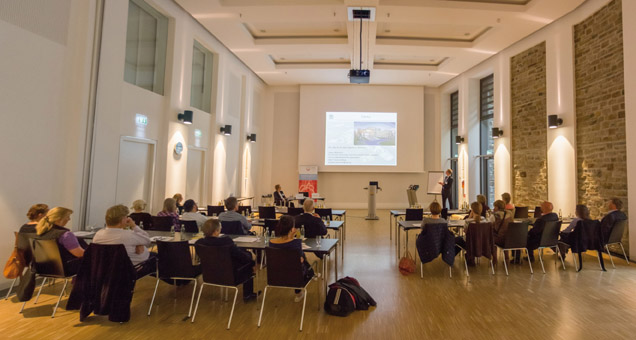
This year, there are a total of six "Cardioteam" continuing education courses for physicians and medical assistants in Germany. The inaugural event took place in February in Nuremberg. "The high level of participation and the positive response from the participating physicians and teams clearly demonstrate the great need for support in patient communication," said Dr. Jost Henner Wirtz, deputy federal chairman of the BNK and responsible for continuing education. Following the training, the practice teams will provide further education to their patients, thus contributing to greater safety through therapy adherence in stroke prevention. Accompanying training and information materials for patients clearly answer typical questions about anticoagulant therapy. The continuing education courses are CME-certified and are intended to be recognized in the long term as part of disease management programs (DMPs).