



8th MVF Specialist Congress on April 11, 2018 in Berlin
11.04.2018 13:45
The results of RCTs are commonly used as a basis for the early benefit assessment, but also for many other research questions such as political system decisions, and so far unquestioned. That's probably true, because RCTs are at least "the instruments with the fewest errors when it comes to the question of benefit," as Prof. Dr. Jürgen Windeler, head of the Institute for Quality and Efficiency in Health Care (IQWiG), states in the title interview with "Monitor Healthcare Research" (MVF 01/18): not error-free, but at least fewer errors! However, on the one hand, RCT are not the only methods (pragmatic trials, register studies?) that could be considered, on the other hand, the general transferability of the knowledge gained in RCT to the real world of care should be discussed.
Transferability – Limitations – Process factors
The results of RCTs are commonly and so far unquestioned used as the basis for early benefit assessments, but also for many other research questions such as political system decisions. This is probably true, because RCTs are at least “the instruments with the fewest errors when it comes to the question of benefit,” as Prof. Dr. Jürgen diaperer, head of the Institute for Quality and Efficiency in Health Care (IQWiG), states in the cover interview with “Monitor Healthcare Research” (MVF 01/18): not error-free, but at least fewer errors! However, on the one hand, RCTs are not the only methods (pragmatic trials, registry studies?) that could be considered; on the other hand, the general transferability of the findings obtained in RCTs into the real world of care should be discussed, as diaperer himself did in the above-mentioned interview stimulates. Anyone who does this (and doctors, health insurance managers, politicians, patient representatives and, of course, pharmaceutical managers should) is faced with many important questions:
1) What is the general situation with the transferability/extrapolation of RCT results?
2) What methods and systems, but also what limitations, are there?
3) Which decisions need to be based on RCTs and which ones need to be based on real world data?
4) How valid are international results for care in Germany?
5) On what evidence do doctors base their individual decisions for patients?
6) Which evidence is the right one for which decision-making situation?
7) What evidence is crucial for patients?
The event was aimed at managers and those responsible:
- Self-help / patient associations
- Health insurance (GKV / PKV)
- Institutions of self-government
- Patient representatives
- Doctors and pharmacists
- Health Professions
- Supply manager
- Federal and state politics
- Pharmaceutical and medical technology companies
- Service providers and consultants
Greetings from the editor
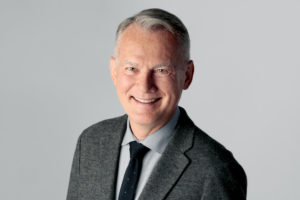 Ladies and Gentlemen
Dear Colleagues,
“RCTs are not the basis of EbM, but rather they are the instruments with the lowest errors when it comes to the question of benefit - nothing more and nothing less.” This is what Prof. Wascher, the head of the Institute for Quality and Efficiency in Health Care (IQWiG), says in the Cover interview with “Monitor Health Services Research” (MVF 01/18). What is crucial is what is the transferability into the real world of care? And for which decisions must RCTs be used and for which must real world data be used? How valid are international results for care in Germany? On what evidence do doctors base their individual decisions for patients? General: Which evidence is the right one for which decision-making situation? And ultimately: What evidence is crucial for patients?
At our MVF specialist congress in 2018, we addressed these questions and, as usual, discussed them impartially from various technical and application perspectives, for example: How can the data obtained from health care studies be used to derive the right decisions in individual cases.
It's about assessing transferability and extrapolation, and in the best case, about an appropriate system and the decision-making processes based on it. “How can you transfer findings from health care studies (RCTs, approval studies, real world data) to the upcoming decision in the interests of the patients?”
Thank you for your active participation in our 8th specialist congress, which once again took place at the Bertelsmann representative office in Berlin.
With kind regards
Your professor Dr. Reinhold Roski
Publisher “Monitor Health Services Research”
Contact
If you have any questions about the “National Agreement Conference”, please contact us
Anke Heiser, MVF publishing house
- per email to [email protected] or
- by phone at 0228 – 76 38 280-30
Speakers & Lectures
Here you will find the speakers (in chronological order) of the MVF online congress “Prioritization Catalog for Health Services Research”, which will take place in two parts - on December 13, 2022 and a date to be announced - in cooperation with the Berlin IGES Institute. The abstracts, the lectures and their audio recordings are available (as soon as the speakers have approved them) to all interested parties - subscribers and non-subscribers of MVF. Of course, we would be happy about every new subscriber who would show that our work is valued. You can read the documentation of the event in the MVF issue (01/22).
Speakers
Prof. Dr. Reinhold Roski,
MVF editor
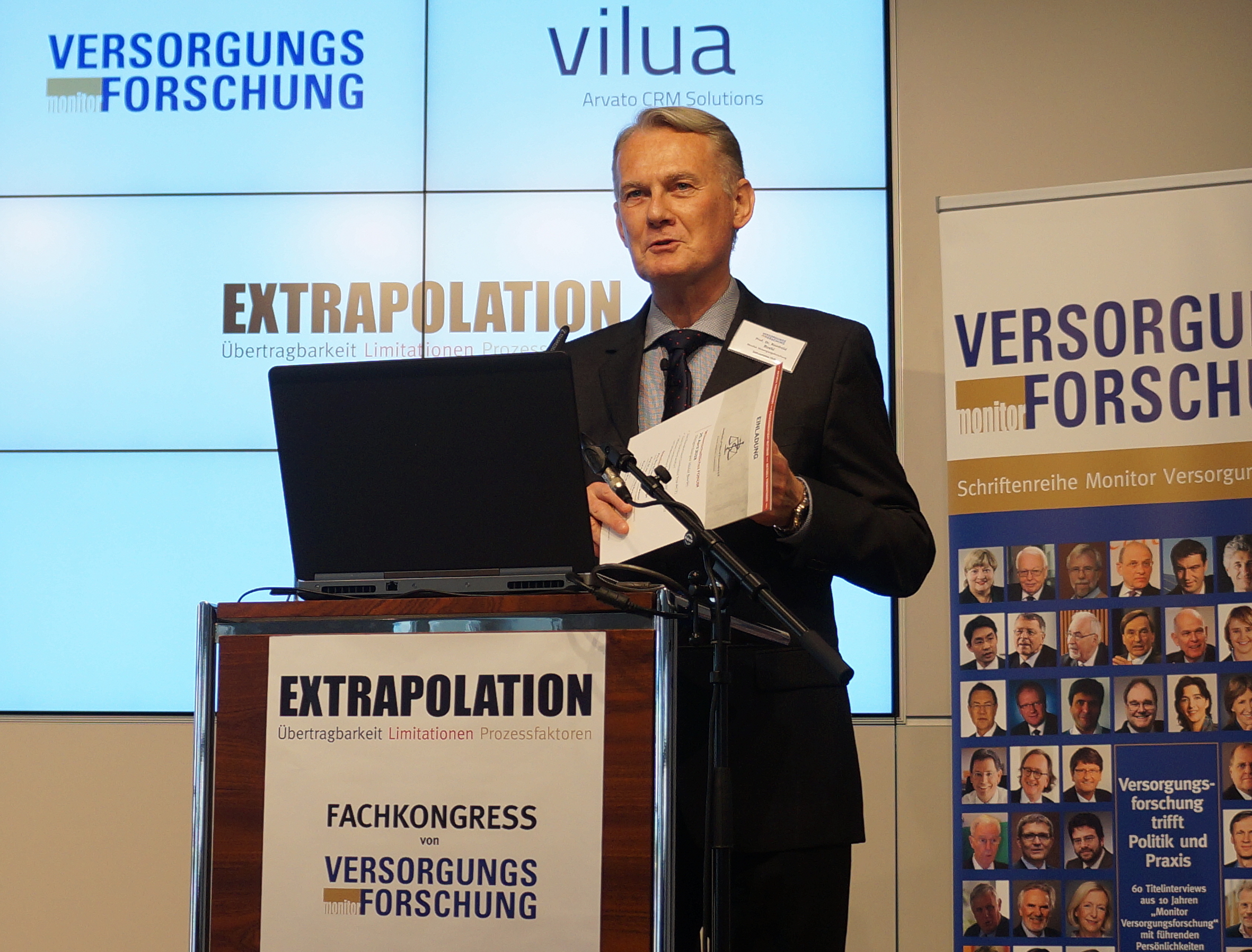
Theme
greeting
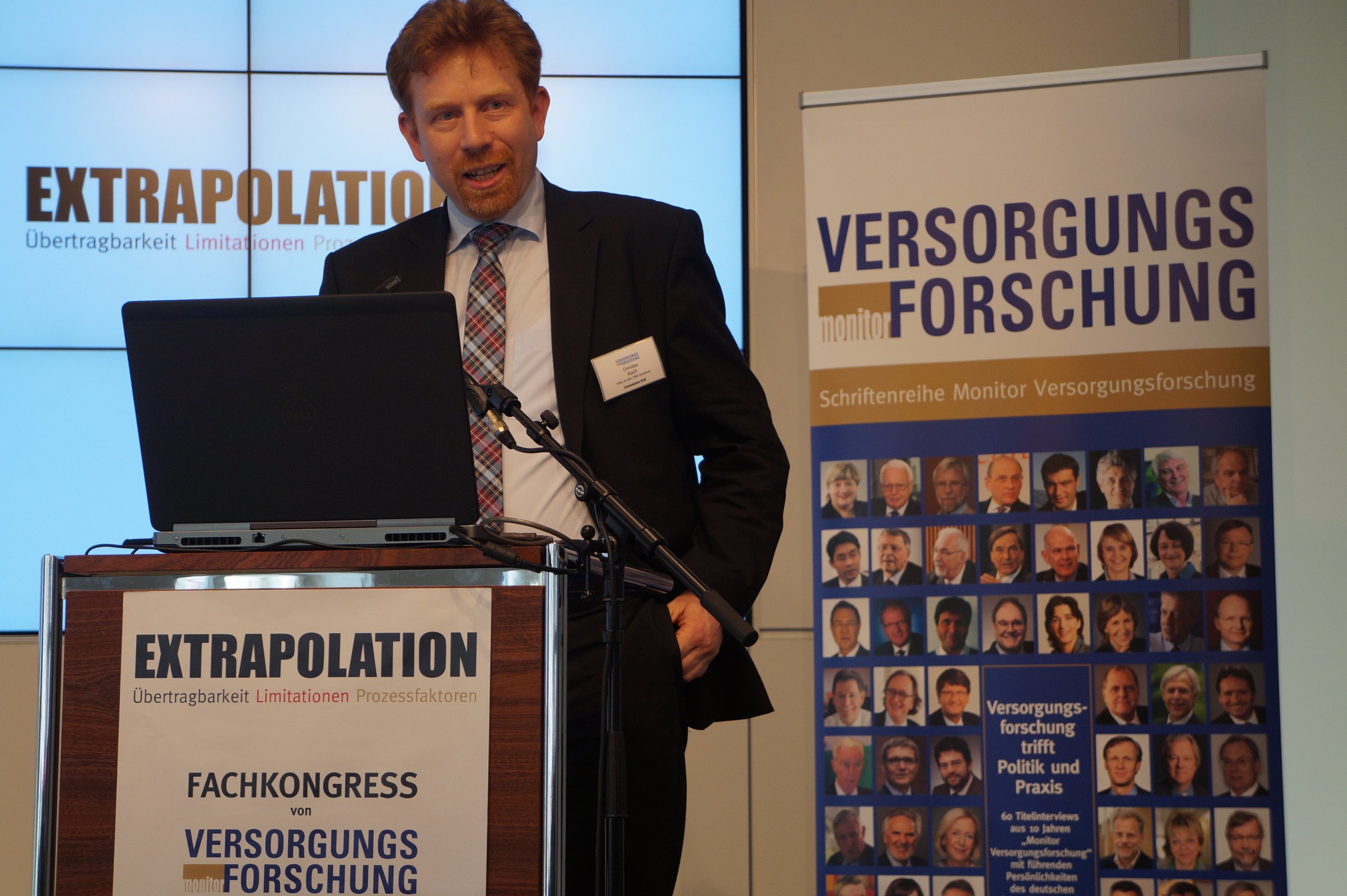
Speakers
Dr. Köster-Steinebach,
Long-time patient representative in the G-BA
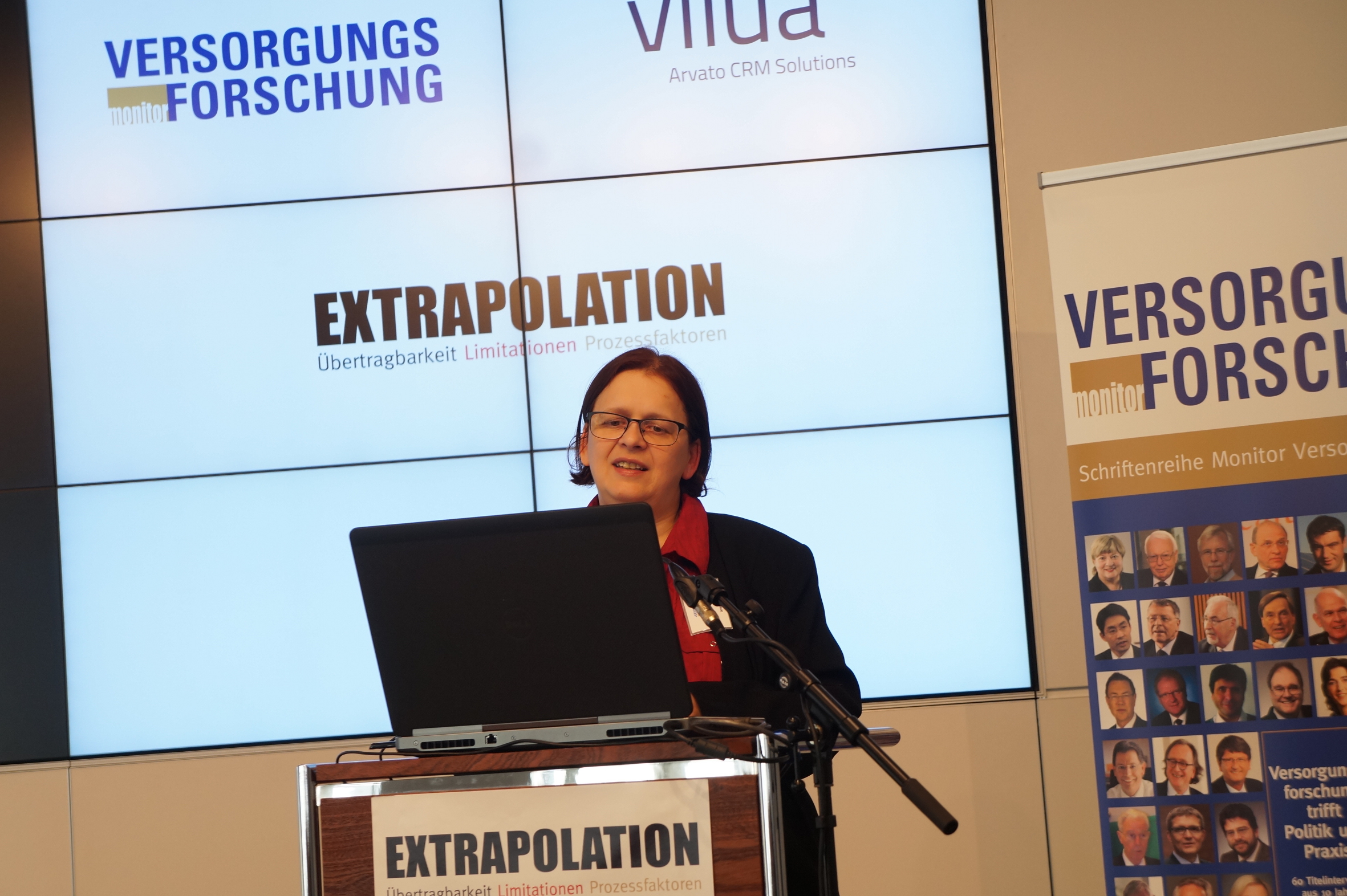
Theme
Evidence for patients
Speakers
Dr. Antje Behring
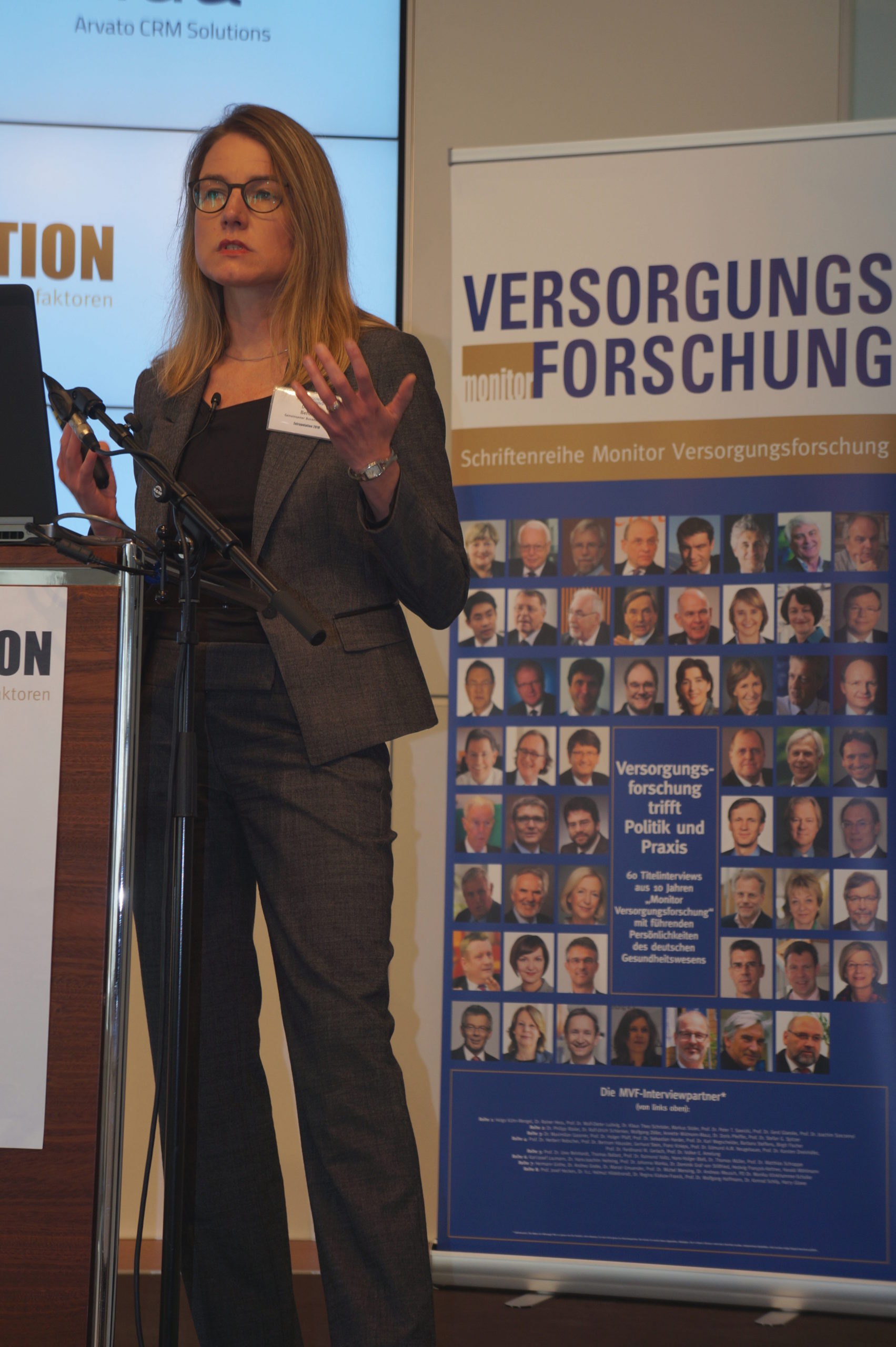
Theme
Importance of RCTs, registry data and other data sources for G-BA decisions
Speakers
Prof. Dr. Antes,
Cochrane, Freiburg
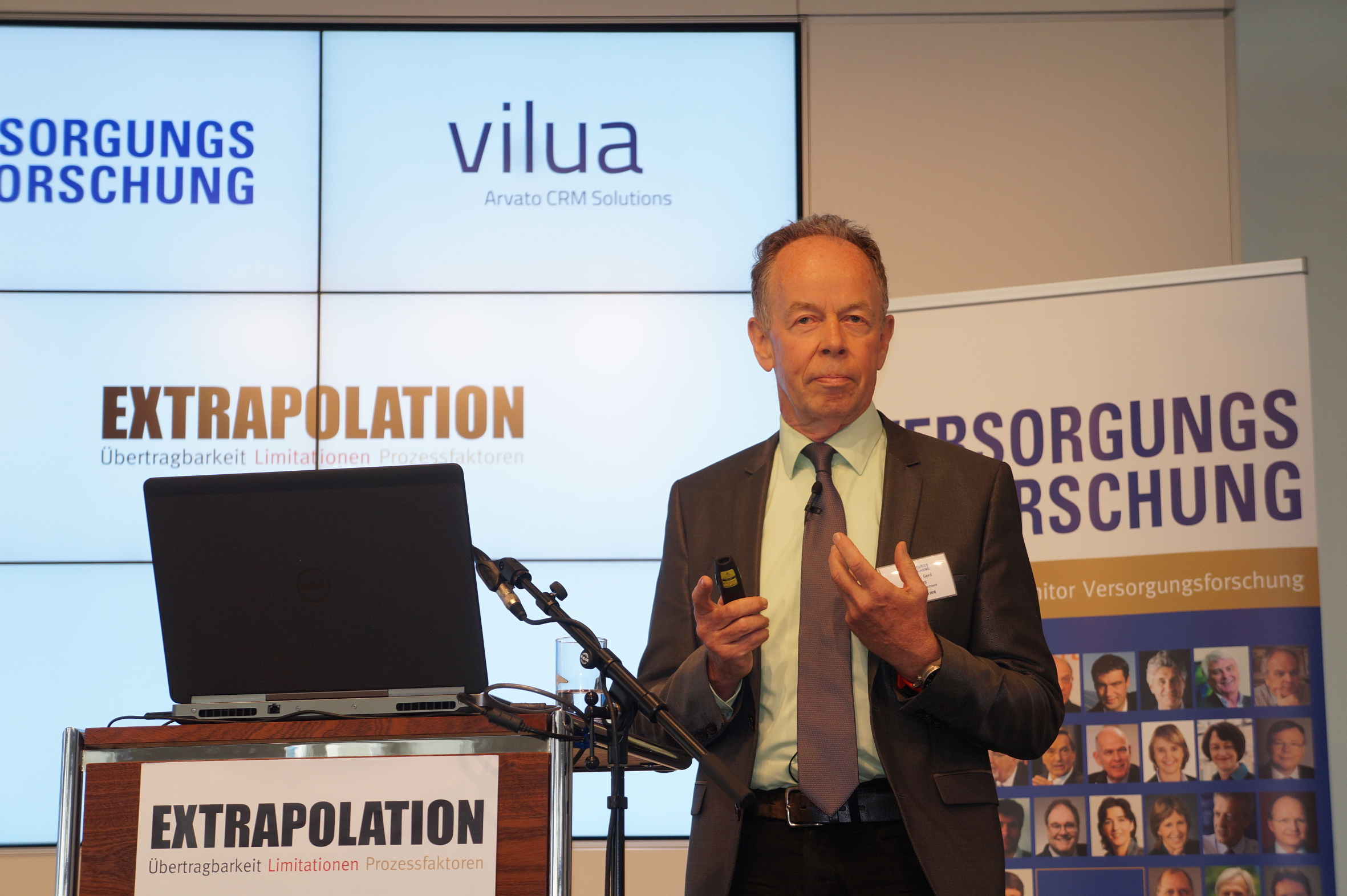
Theme
Evidence from studies – criteria and standards
Speakers
Prof. Dr. Wensing,
University of Heidelberg
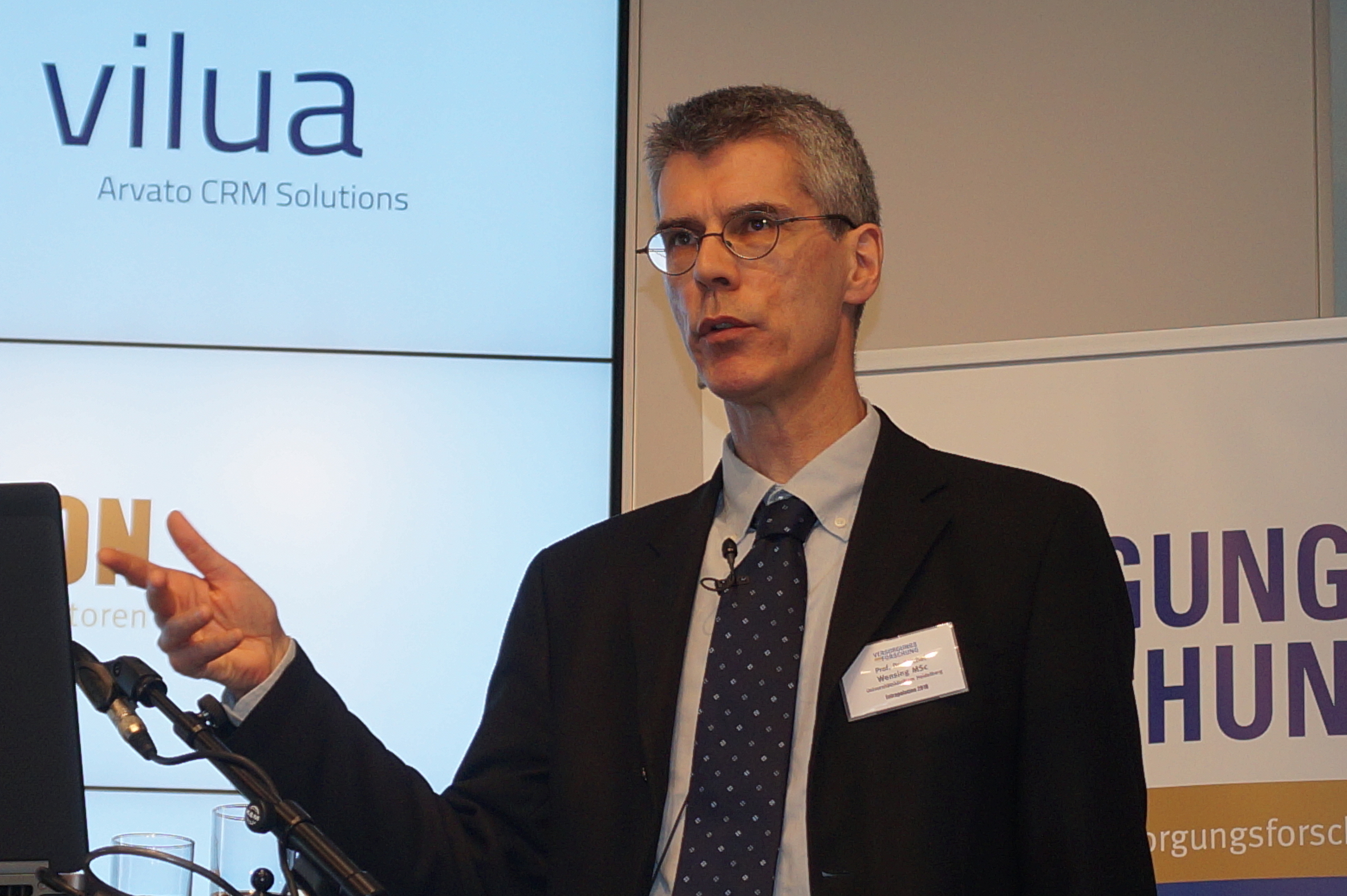
Theme
Studies from abroad as a basis for decision-making in Germany
Speakers
Prof. Dr. Prof. hc Dr. hc Neugebauer,
Neuruppin (DNVF)
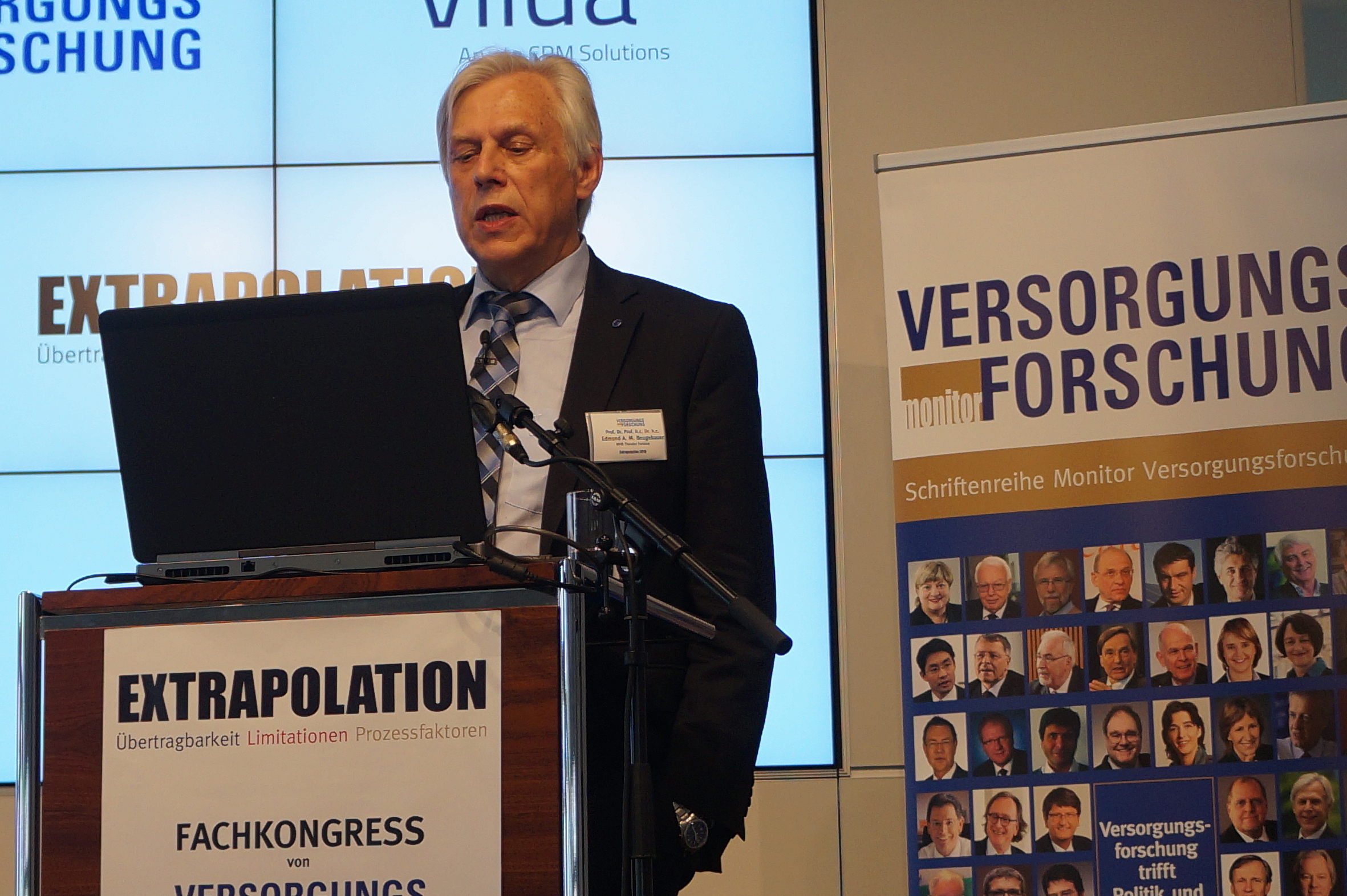
Theme
What registers can and cannot do
Speakers
Corinna Schaefer,
EZQ
Theme
Evidence for primary care
Speakers
Prof. Dr. Ludwig,
AKdÄ
Theme
RCT vs Real World? Clinical studies and everyday oncological life
Speakers
Dr. Haas,
National Association of Statutory Health Insurance Funds, Berlin
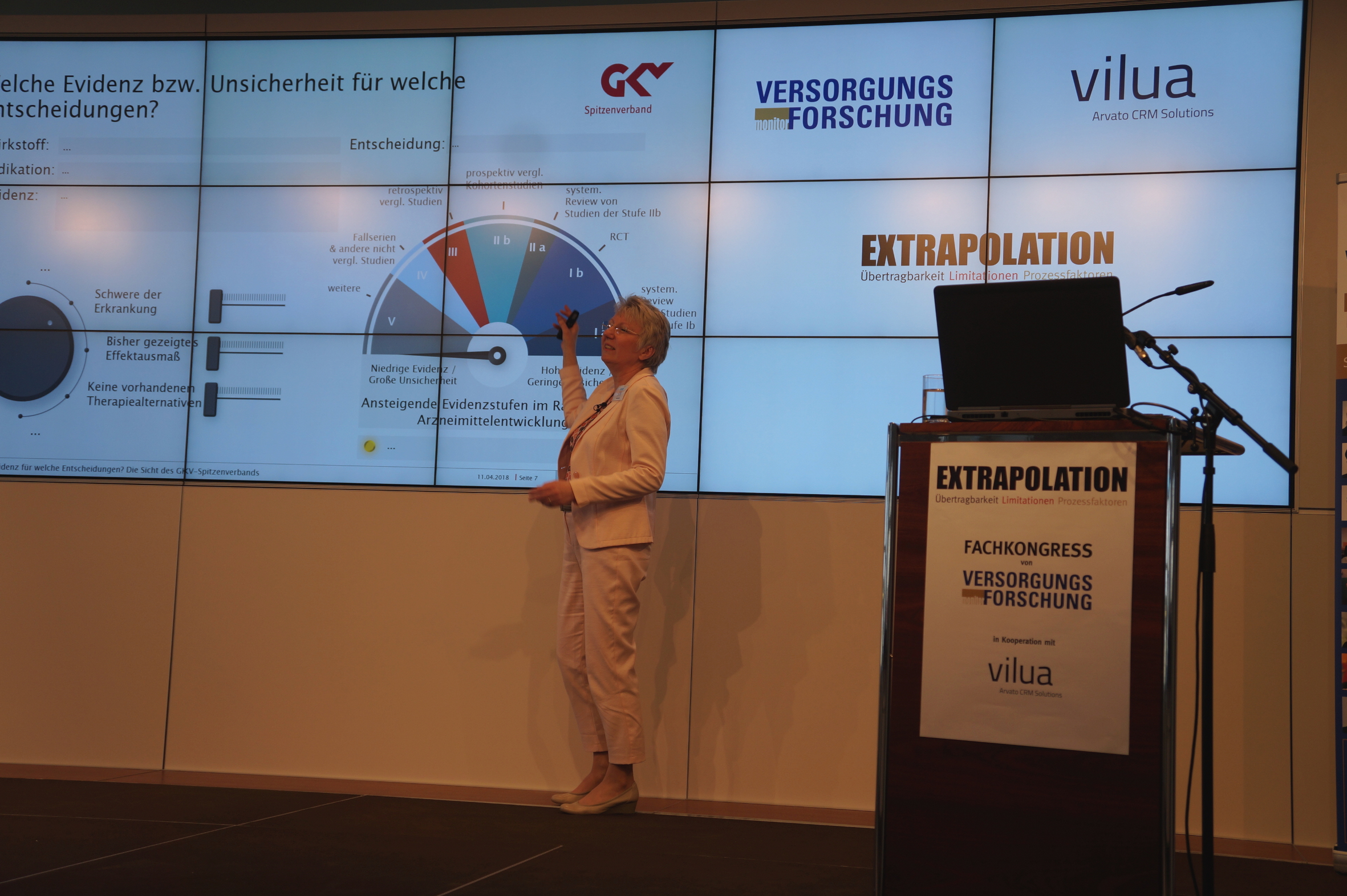
Theme
Which evidence for which decisions?
The point of view of the cash registers
Speakers
Prof. Dr. Couple,
Sanofi, Berlin
Theme
Real World Evidence – What is it and what can it tell us?
Speakers
Dr. Happich,
Lilly, Bad Homburg
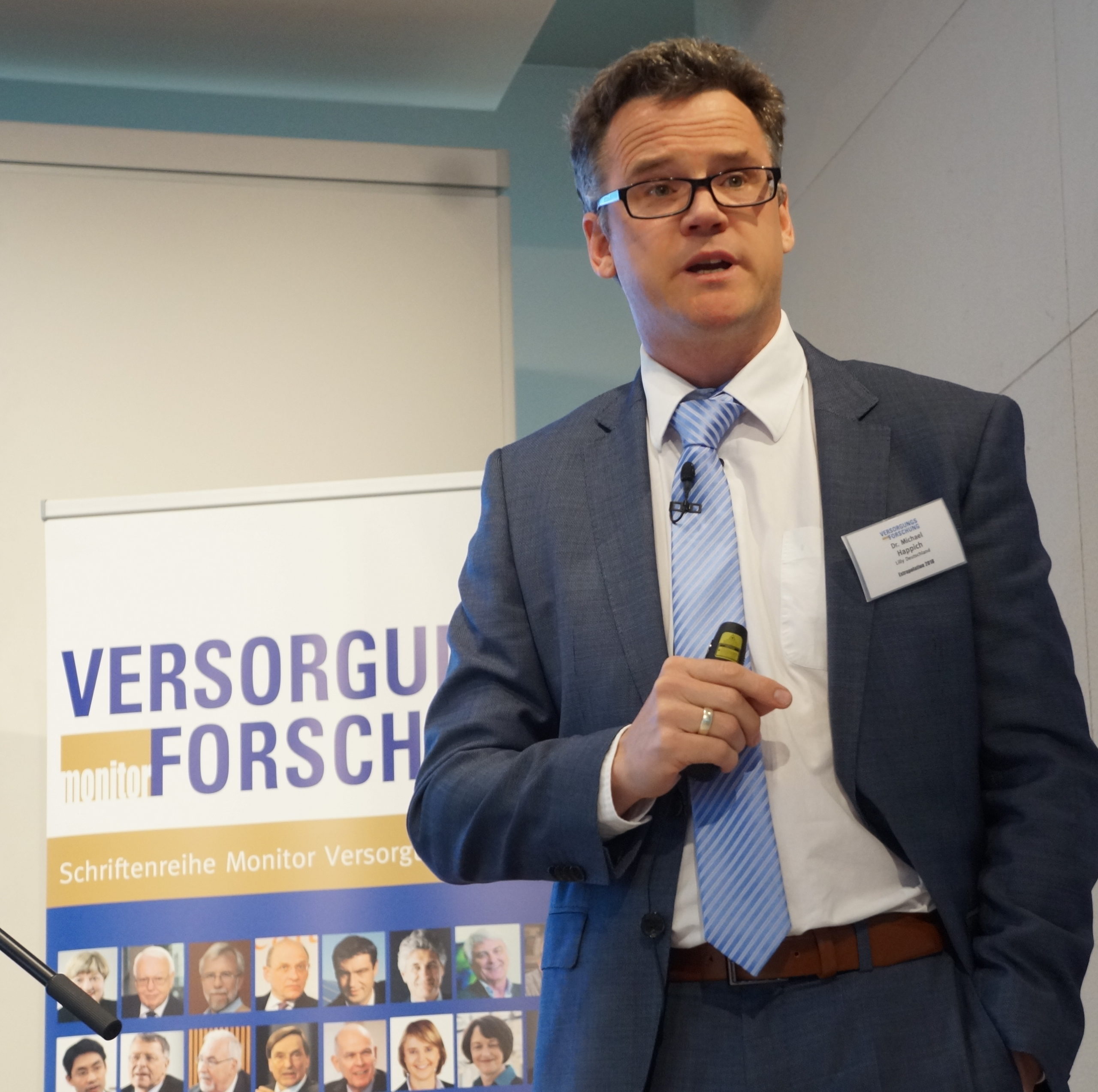
Theme
Early benefit assessment: Combination RCT with observational data
Speakers
Prof. Dr. Wilke,
IPAM, Wismar
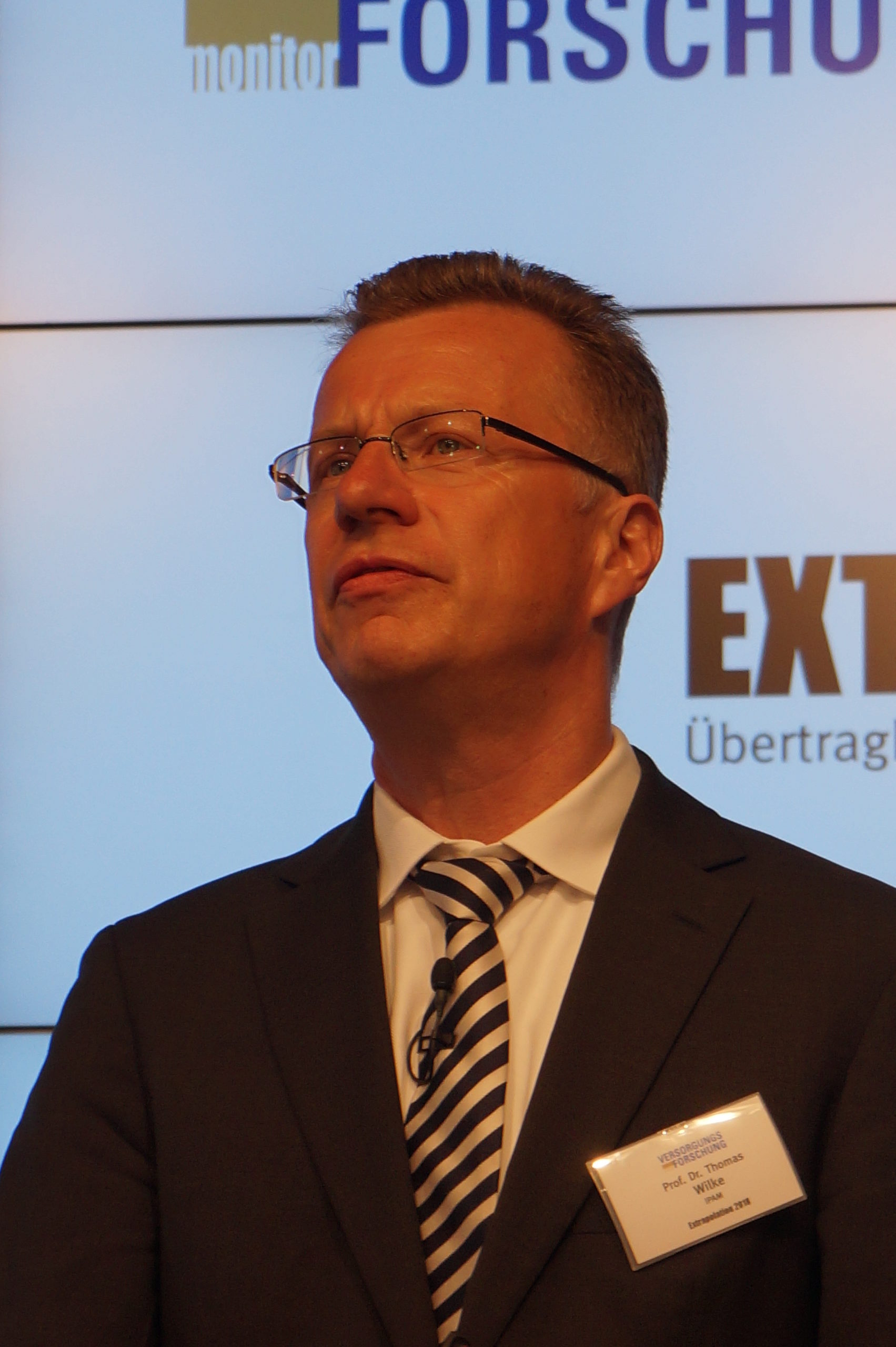
Theme
Trials and Real World Data: Differences and Combination
Speakers
Prof. Dr. Häussler,
IGES Institute, Berlin
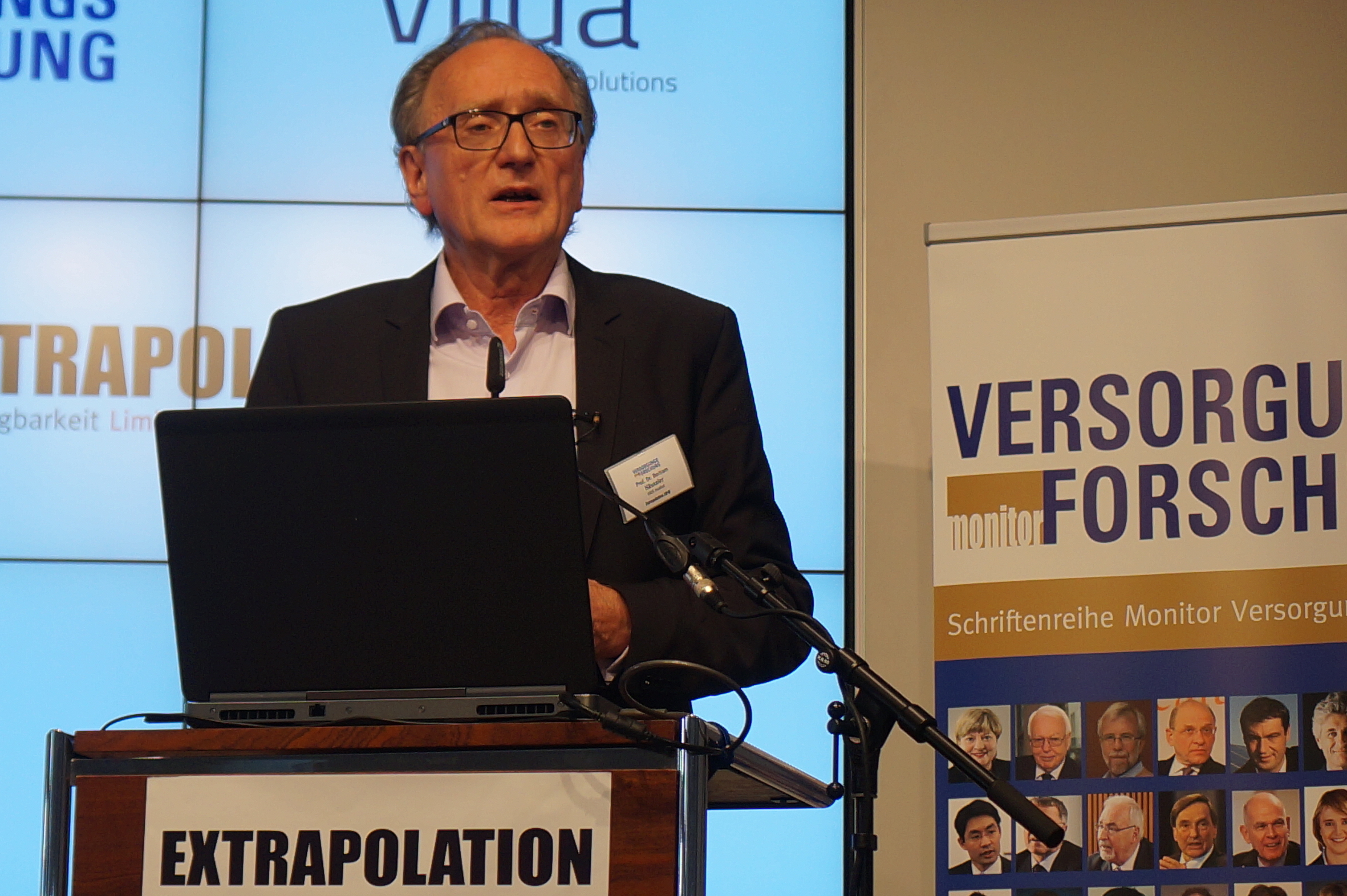
Theme
Causality, connection, coincidence. Anything can help us move forward
Speakers
Prof. Dr. scrap,
Cologne
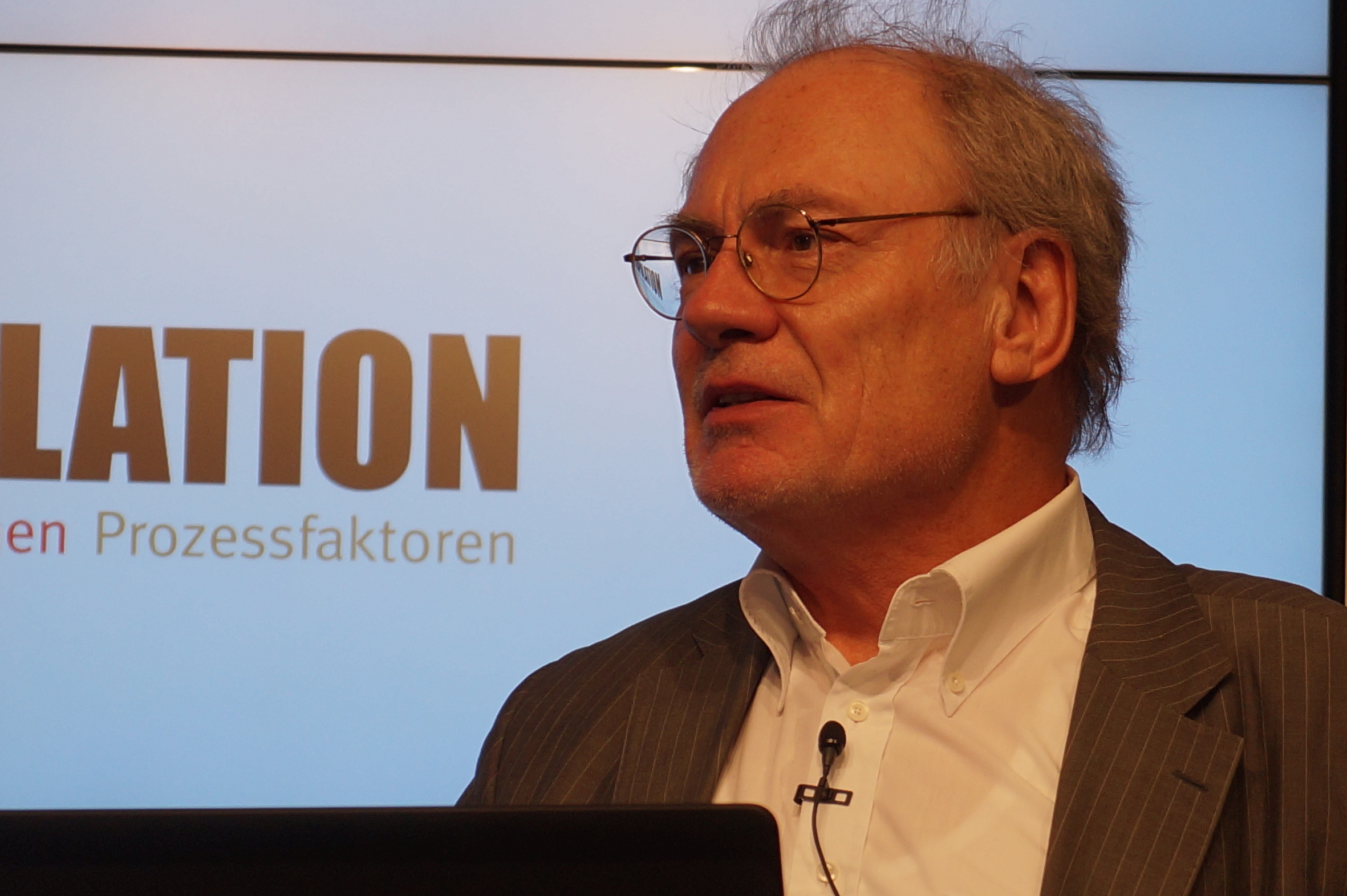
Theme
Viewpoint: Good research instead of pseudo-controversy
Speakers
Prof. Dr. Reinhold Roski
Publisher “Monitor Health Services Research”
Theme
Overall moderation of the congress
Venue
Bertelsmann representative office
Unter den Linden 1
10117 Berlin
Website: Bertelsmann representative office
E-mail: [email protected]
From WIKI:
The Commander's House (Old commandant's office) forms the start of the Unter den Linden boulevard in Berlin. Located directly opposite the Armory and in the immediate vicinity of the Museum Island, the historicizing monument stands on an important urban development site. As an example of an almost complete reconstruction of destroyed, historical buildings, this is used as the capital's representative Bertelsmann AG The buildings rebuilt by the Bertelsmann Foundation were viewed as architecturally highly controversial. To the south of the commandant's house, Schinkelplatz was restored as a garden monument.
The first major urban expansion of Berlin was planned in the 17th century. Still within the old ones Fortifications the Residence city should be the new district Friedrichswerder arise. Commissioned to carry it out Elector Frederick William of Brandenburg (the “Great Elector”) his fortress builder Johann Gregor Memhardt. In recognition, Memhardt received a gift of a building plot in a good location from the Elector and had his two-story house built there around 1653, the first stone house on the Friedrichswerder - the predecessor of the Commandant's House.
After the building had become dilapidated, a representative royal one was built in 1795/96 Immediate construction, built by the builder Wilhelm Konrad title. This building was initially considered private Palace with numerous living and ancillary rooms as well as horse stables. In 1799 it became the seat of the Berlin commander garrison certainly. In 1818 the commandant's office also took over service on the New guard, which from Karl Friedrich Schinkel diagonally opposite, between Armory and university – the former Prince Heinrich Palace – had been built.
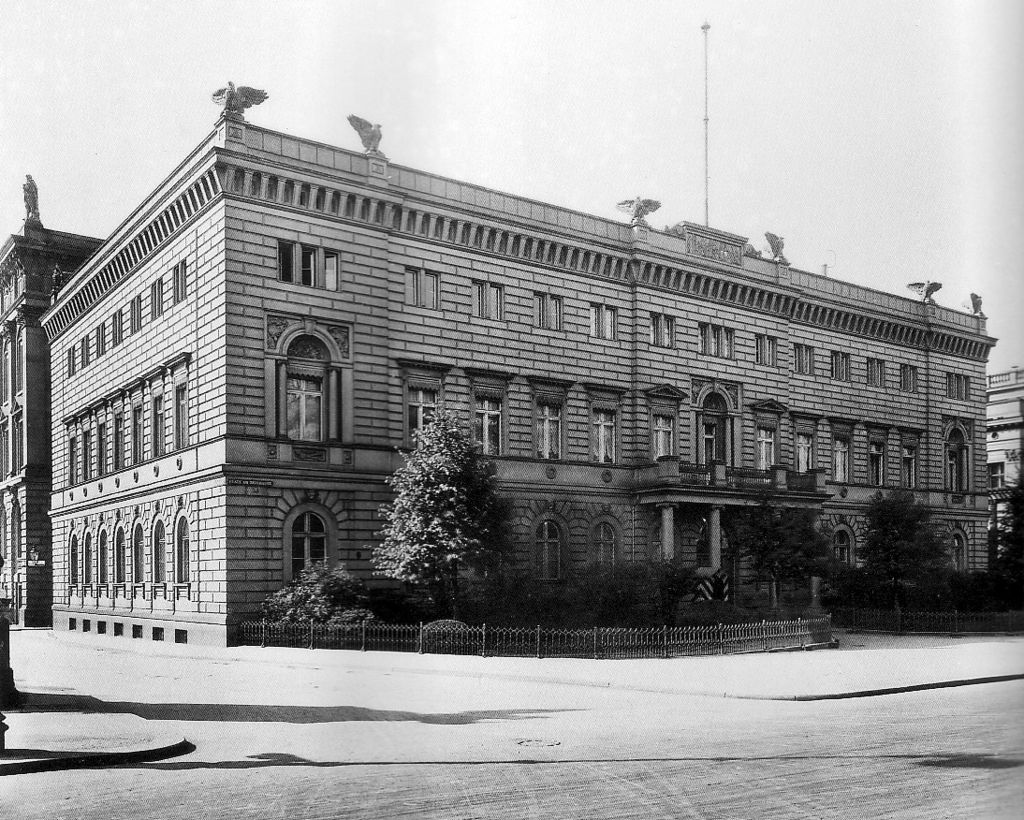
The commandant's house 1910
A major renovation took place in 1873/74. Another floor was added, the baroque one Hip roof was replaced by a flat roof, the whole facade with a striking one Plaster ashlar covered. Eight were placed at the edges of the roof terracotta-Eagle with wings spread. The overall design was based on that Florentine Palace architecture of the Early Renaissance - there has been a prominent example of such an adaptation in Berlin since 1830, namely Schinkel's Palais Redern am Paris Square, which was added to the new building in 1907 Hotel Adlon had to give way.
Towards the end of Second World War the commandant's house was damaged in bombing raids and demolished in the 1950s; the GDR claimed the property for their large sized Ministry of Foreign Affairs, which in turn was demolished in 1995.
1806, during the occupation of Berlin by the troops Napoleon, the writer had Stendhal (real name Marie-Henri Beyle) lived in the commandant's house as a French war commissioner. The last Berlin city commander and landlord of the commandant's office, Paul von Hase, was involved in the preparation of the attempted coup July 20, 1944 involved, he should be responsible for the closure of the during the action government district care for. After the assassination attempt failed Adolf Hitler he was from People's Court sentenced to death and sentenced to death on August 8, 1944 Berlin-Plötzensee prison executed.
Complete reconstruction
Framework conditions
Acquired in 1999 Bertelsmann AG and Bertelsmann Foundation the prestigious property Unter den Linden No. 1 in a public bidding process in competition with 37 competitors. The purchase price was 12.7 million marks. For the use of the 967 m² area Berlin Senate binding requirements have been made. What was required was the reconstruction of the old structure and the exact reconstruction the historic facade. The buyers were left free to design the interior of the building. Bertelsmann wanted to build a sophisticated, capital city representative office that would also do justice to the company's claim to modernity. The result is a clear contrast between inside and outside. Responsible person architect was the one from Cologne Thomas van den Valentyn, Berlin master builders Rupert and York Stuhlemmer, experienced specialists, were called in to restore the façade. The reconstruction was completed in November 2003.
Congress Chair
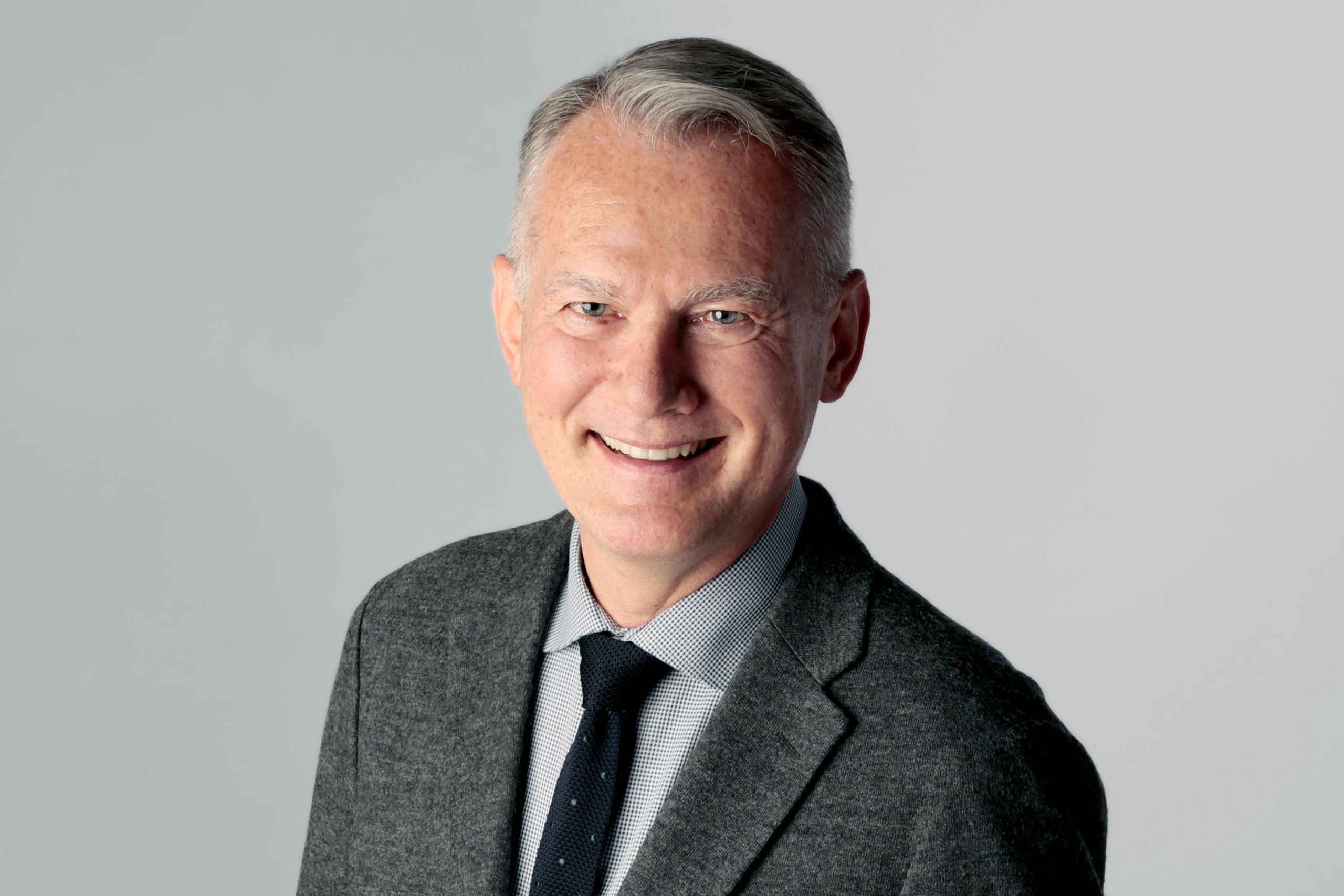
Prof. Dr. Reinhold Roski
Publisher “Monitor Health Services Research”