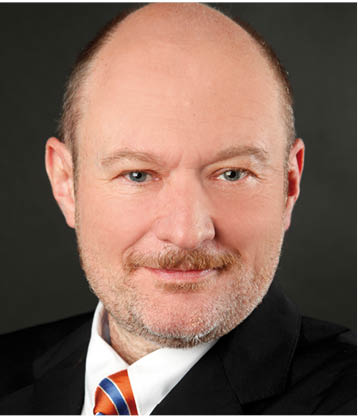
With a ten-point plan, a broad alliance of health policy actors is campaigning for a higher priority for health care in Germany. “Consistently thought-out prevention must extend far beyond the boundaries of the health system and include many areas of society such as education, work, transport and the environment,” says Prof. Dr. med. Reinhard Busse, scientific patron of the alliance, which emerged from the “Health Care of the Future” initiative founded in spring 2019 by Springer Medizin (Ärzte Zeitung) and the research-based pharmaceutical company Pfizer.
>> The Berlin health economist Busse, professor at the Technical University of Berlin, presented the so-called “Berlin Declaration” at this year's capital congress, which, like so many other events, took place purely online due to Corona. “With this 'Berlin Declaration' we show in ten pointed theses what health care should be aimed at in the future,” explained Busse. His central message: “Prevention must play a more important role in the health system, for example through consistent use of data to avoid medication errors or quaternary prevention of unnecessary medical services.” However, in the alliance’s opinion, “prevention” goes far beyond the health system and must cover many areas in the future Include education, work, transport or environment. Because health and health opportunities are also decided there. Busse, who considers the Prevention Act of 2015 with its focus on prevention and health promotion to be too short-sighted: “We need Health in All Policies”.
The coronavirus pandemic has impressively shown that without health, other social values are at risk. “During the pandemic, health has become the focus of political decisions, based on rapidly growing evidence and the need to act quickly and agilely,” explains Busse. But this policy approach could now be a lesson for health care in the future.
In this sense, he hopes, on behalf of all members of the alliance, that the theses of the “Berlin Declaration”, developed in three interdisciplinary future workshops with more than 40 experts, will be incorporated “into future health policy” – “towards better population health and the prevention of diseases”.
The “Berlin Declaration” presents ten guiding principles and names concrete measures for each. This includes, for example, a health cabinet that ensures that health is taken into account in political decisions, including economic, agricultural or transport policy. It is also proposed to strengthen health topics in kindergartens and schools and to expand non-medical professions into prevention professions, such as nursing staff or pharmacists. Doctors need more incentives for prevention work, and hurdles to important prevention measures such as vaccinations should be reduced. It is also important to tailor prevention services to vulnerable groups such as socially disadvantaged people or older people, as otherwise they would only reach those who are already health-conscious. Care data would have to be used to identify prevention gaps and develop better prevention models. Consistent use of data is also needed to prevent medication errors and avoid unnecessary medical services. Last but not least, health-promoting products and activities should be given tax breaks by the state, while harmful ones should be made more expensive.
“Prevention is a key to a sustainable healthcare system,” says Martin Fensch, member of the board of Pfizer Germany. “The burden of lifestyle-related illnesses is too high in our healthcare system. We invest too much money in medical repairs.” Fensch continues that more than one in three cases of cancer can be prevented through prevention programs; Many infectious diseases such as the flu could also be prevented through higher vaccination rates. And last but not least, the intelligent use of health data could identify disease risks long before the “health care repair service” has to be started. <<