






Zum Inhalt springen
Sponsorship
Die MVF-Knowledge-HubsFrisch aus der Forschung. Täglich aktualisiert!

Suchen Sie in Hunderten nationaler und internationaler Datenbanken nach dem neuesten Studienwissen der angegebenen Themengebiete und/oder lassen Sie sich werktäglich per Newsletter informieren. Die Newsfeeds werden auf deutsch übersetzt and nach Übertragbarkeit auf das deutsche Gesundheits-/Versorgungssystem ausgewählt:

Zu den Knowledge-Hubs

Relatives in care processes

Relatives such as children, spouses, parents, siblings or friends often play central roles in outpatient and inpatient care. Although most of the discourse is about relatives providing care, relatives also act, for example, as referrers, mediators, information seekers, translators or decision-makers (Bischofberger, 2011). They are thus (regardless of the patient's care needs) essential support in the treatment and management of numerous diseases (Reifegerste, 2019). At the same time, however, they can also disrupt care processes or at least be perceived accordingly by healthcare professionals because, for example, they impede the patient's recovery by providing too much support, their absence makes discharge more difficult, or they confront the doctors with too high expectations (Wilz & Meichsner, 2012 ). However, the majority of them show a high level of motivation to support the patient in coping with illnesses, so that the question arises as to how their motivation can be integrated well into care processes. Although the relatives are omnipresent in health care - be it with positive as well as negative consequences - they are often not considered as a stakeholder of the care. They are “hidden in plain sight” (Wolff & Roter, 2008). In nursing facilities, in paediatrics, oncology or palliative care, they are usually considered to be key participants. In many other areas of care, on the other hand, they are sometimes regarded as an annoying appendage of the patient, ignored or even actively avoided, even if there are hardly any diseases or patients in which they play no role at all (Reifebarste, in press).

Read more
First publication date: 28.07.2020
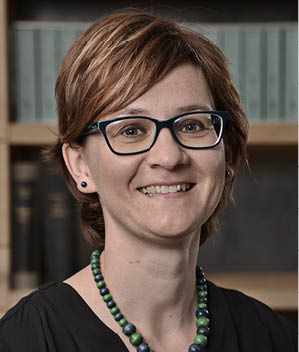
Abstract: Angehörige in Versorgungsprozessen

Relatives are important participants in healthcare with a variety of functions for both patients and medical staff, but their relevance has so far not been adequately reflected in the care. Using three current debates in health services research, the discourses on health literacy, participatory decision-making and the digitalization of care, the aim is to show to what extent greater integration of relatives can be achieved. Finally, important implications for the implementation of health services research are also mentioned.

Abstract: Family Members in Health Care Processes

Family members are important stakeholders in healthcare provision with various functions for patients as well as for healthcare professionals. However, so far their relevance is not sufficiently reflected in healthcare. Based on three recent debates of healthcare research, namely health literacy, shared-decision making and ehealth, strategies for an increased integration of family members will be presented. Finally, important implications for a more systemic healthcare provision research will be given.

Literature

Family involvement in medical decision making in Eastern and Western countries. Medical Decision Making, 38(1), 14-25. https://doi.org/10.1177/0272989X17715628 Bevan, JL & Pecchioni, LL (2008). Understanding the impact of family caregiver cancer literacy on patient health outcomes. Patient Education and Counseling, 71(3), 356-364. https://doi.org/10.1016/j.pec.2008.02.022 Bieber, C., Gschwendtner, K., Müller, N. & Eich, W. (2016). Participatory decision-making (PEF) - patient and doctor as a team. Psychotherapy, Psychosomatics, Medical Psychology, 66(5), 195–207. https://doi.org/10.1055/s-0042-105277 Bischofberger, I. (2011). Relatives as walking patient files. Selected results from a project to clarify the role of relatives. Care Management, 4(5), 27-29. Chiu, TML & Eysenbach, G (2011). Theorizing the health service usage behavior of family caregivers: a qualitative study of an internet-based intervention. International Journal of Medical Informatics, 80(11), 754-764. https://doi.org/10.1016/j.ijmedinf.2011.08.010 DeWalt, DA & Hink, A. (2009). Health literacy and child health outcomes. A systematic review of the literature. Pediatrics, 124 Suppl 3, S265-74. https://doi.org/10.1542/peds.2009-1162B Dockweiler, C. & Razum, O. (2016). Digitized health. New challenges for public health. The Health Service, 17(01), 5-7. Eberlein, E., Reifegerste, D. & Link, E. (2017). Triadic communication in the context of medical and psychotherapeutic treatment: The role of the relatives of depression patients. In C. Lampert & M. Grimm (eds.), Health communication as a transdisciplinary research field (pp. 237-248). Baden-Baden: Nomos. Gilstrap, CM & White, ZM (2015). Interactional communication challenges in end-of-life care: dialectic tensions and management strategies experienced by home hospice nurses. Health Communication, 30(6), 525-535. Harst, L. & Lantzsch, H. (2018). Theoretical predictors of the acceptance of telemedicine solutions from the point of view of individual actors. 3rd Symposium on Health Communication of the German Society for Journalism and Communication Science, Augsburg. Harder, M. (2018). "Looking at people as a whole." "Monitor Health Services Research", 11(04), 6-8. Hubbard G, Illingworth N, Rowa-Dewar N, Forbat L & Kearney N (2010). Treatment decision-making in cancer care: the role of the carer. Journal of Clinical Nursing, 19(13-14), 2023-2031. https://doi.org/10.1111/j.1365-2702.2009.03062.x Kahana, E. & Kahana, B. (2007). Health care partnership model of doctor-patient communication in cancer prevention and care among the aged. In HD O'Hair, GL Kreps & LD Sparks (eds.), Handbook of Communication and Cancer Care (pp. 37-54). New York: Hampton Press. Kickbusch, IS (2001). Health literacy. Addressing the health and education divide. Health promotion international, 16(3), 289-297. Kiessling, C. (2014). The relationship between medicine and health communication. In K. Hurrelmann & E. Baumann (eds.), Handbook of Health Communication (95-108). Bern: Publisher Hans Huber. Krieger, J.L. (2014). Family communication about cancer treatment decision making. A description of the DECIDE typology. Annals of the International Communication Association, 38(1), 279–305. https://doi.org/10.1080/23808985.2014.11679165 Laidsaar-Powell RC, Butow PN, Bu S, Charles C, Gafni A, Lam WWT et al. (2013). Physician-patient-companion communication and decision-making: a systematic review of triadic medical consultations. Patient Education and Counseling, 91(1), 3–13. https://doi.org/10.1016/j.pec.2012.11.007 Laidsaar-Powell, R., Butow, P., Charles, C., Gafni, A., Entwistle, V., Epstein, R. et al . (2017). The TRIO Framework. Conceptual insights into family caregiver involvement and influence throughout cancer treatment decision-making. Patient Education and Counseling, 100(11), 2035-2046. https://doi.org/10.1016/j.pec.2017.05.014 Lederle, M., Weltzien, D. & Bitzer, EM (2017). Does increasing health literacy and self-management lead to more appropriate use of health services? The Healthcare System, 79(08/09), V-168. https://doi.org/10.1055/s-0037-1605758 Levin, JB, Peterson, PN, Dolansky, MA & Boxer, RS (2014). Health literacy and heart failure management in patient-caregiver dyads. Journal of Cardiac Failure, 20(10), 755-761. Lindquist, L.A., Jain, N., Tam, K., Martin, G.J. & Baker, D.W. (2011). Inadequate health literacy among paid caregivers of seniors. Journal of General Internal Medicine, 26(5), 474-479. Lipp, V. & Brauer, D. (2016). Autonomy and family in medical decision-making situations. In H. Steinfath & C. Wiesemann (eds.), Autonomy and trust. Key Terms of Modern Medicine (pp. 201–237). Wiesbaden: Springer specialist media. https://doi.org/10.1007/978-3-658-11074-1_6 Magsamen-Conrad, K., Dillon, JM, Billotte, Verhoff, C. & Faulkner, SL (2018). Online health information seeking among older populations. family influences and the role of the medical professional. Health Communication, 1-13. https://doi.org/10.1080/10410236.2018.1439265 Mahrer-Imhof, R. & Bruylands, M. (2014). Is it helpful to involve family members? A literature review on psychosocial interventions in family-centered care. Nursing, 27(5), 285–296. https://doi.org/10.1024/1012-5302/a000376 Mayberry, LS, Rothman, RL & Osborn, CY (2014). Family members' obstructive behaviors appear to be more harmful among adults with type 2 diabetes and limited health literacy. Journal of Health Communication, 19, 132-143. Available at http://search.ebscohost.com/login.aspx?direct=true&db=ufh&AN=98902848&site=ehost-live Niemann, P. (2019, February 4). Demanding relatives. Medical Journal. Available at https://www.aerzteblatt.de/blog/100708/Fordernde- Angehoerige?rt=f85f3dc8aec5c569f3dcd2ed4327832a Otto, L., Harst, L., Schlieter, H., Wollschlaeger, B., Richter, P. & Timpel, P (2018). Towards a Unified Understanding of eHealth and Related Terms – Proposal of a Consolidated Terminological Basis. In R Zwiggelaar, H Gamboa, A Fred & S Bermúdez i Badia (eds.), BIOSTEC 2018. Proceedings of the 11th International Joint Conference on Biomedical Engineering Systems and Technologies : Funchal, Madeira, Portugal, January 19-21 , 2018 (pp. 533–539). Setúbal, Portugal: SCITEPRESS - Science and Technology Publications Lda. Accessed April 4, 2019. Otto, U., Bischofberger, I., Hegedüs, A., Kramer, B., van Holten, K. & Franke, A. (2017). When caregiving relatives live further away - technology opens up opportunities for distance caregiving, but is not the solution in itself. In I. Hämmerle & G. Kempter (Eds.), Ambient Supported Learning. Contributions to Usability Day XV (pp. 140–148). Lengerich: Pabst science Publishers. Porzsolt, F. & Weiß, C. (2018). The perception of life-changing diagnoses by patients and their relatives – an online survey. "Monitor Health Services Research" 11(06), 44-48. https://doi.org/10.24945/MVF.06.18.1866-0533.2109 Pulgarón ER, Sanders LM, Patiño-Fernandez AM, Wile D, Sanchez J, Rothman RL et al. (2014). Glycemic control in young children with diabetes: The role of parental health literacy. Patient Education and Counseling, 94(1), 67-70. https://doi.org/10.1016/j.pec.2013.09.002 Quinn, JR, Schmitt, M., Baggs, JG, Norton, SA, Dombeck, MT & Sellers, CR (2012). Family members' informal roles in end-of-life decision making in adult intensive care units. American Journal of Critical Care: an Official Publication, American Association of Critical-Care Nurses, 21(1), 43-51. https://doi.org/10.4037/ajcc2012520 Reifegerste, D. (in press). Emergent and yet goal-oriented: clinical communication with relatives. In K. Hassenstein, C. Ritz & S. Sandhu (eds.), Wicked Problems?! Challenges for PR and organizational communication. Wiesbaden: Springer VS. Ripe barley, D. (2019). The roles of relatives in health communication. Models, functions and strategies. Wiesbaden: VS Publishing House for Social Sciences. Ripe barley, D., Bachl, M. & Baumann, E. (2017). Who are the Surrogate Seekers? Demographic, motivational and socio-contextual factors of seeking health information for other people. In C. Lampert & M. Grimm (Eds.), Health communication as a transdisciplinary research field (pp. 119–130). Baden-Baden: Nomos. Rosland, A.-M., Piette, JD, Choi, H. & Heisler, M. (2011). Family and friend participation in primary care visits of patients with diabetes or heart failure: patient and physician determinants and experiences. Medical Care, 49(1), 37-45. https://doi.org/10.1097/MLR.0b013e3181f37d28 Rossmann C, Riesmeyer C, Brew-Sam N, Karnowski V, Joeckel S, Chib A et al. (2019). Appropriation of mobile health for diabetes self-management: lessons from two qualitative studies. JMIR Diabetes, 4(1), e10271. https://doi.org/10.2196/10271 Schaeffer, D. & Haslbeck, J. (2016). Coping with chronic illness. In M. Richter & K. Hurrelmann (eds.), Sociology of health and disease (textbook, 1st edition, pp. 243–256). Wiesbaden: Springer VS. https://doi.org/10.1007/978-3-658-11010-9_16

Additional Information

Citation: Reifegerste, D.: “Relatives in care processes”, in: “Monitor Health Care Research” (04/20), pp. 62-66, doi: 10.24945/MVF.04.20.1866-0533.2241

Plain Text

Relatives in care processes

Relatives such as children, spouses, parents, siblings or friends often play central roles in outpatient and inpatient care. Although most of the discourse is about relatives providing care, relatives also act, for example, as referrers, mediators, information seekers, translators or decision-makers (Bischofberger, 2011). They are thus (regardless of the patient's care needs) essential support in the treatment and management of numerous diseases (Reifegerste, 2019). At the same time, however, they can also disrupt care processes or at least be perceived accordingly by healthcare professionals because, for example, they impede the patient's recovery by providing too much support, their absence makes discharge more difficult, or they confront the doctors with too high expectations (Wilz & Meichsner, 2012 ). However, the majority of them show a high level of motivation to support the patient in coping with illnesses, so that the question arises as to how their motivation can be integrated well into care processes. Although the relatives are omnipresent in health care - be it with positive as well as negative consequences - they are often not considered as a stakeholder of the care. They are “hidden in plain sight” (Wolff & Roter, 2008). In nursing facilities, in paediatrics, oncology or palliative care, they are usually considered to be key participants. In many other areas of care, on the other hand, they are sometimes regarded as an annoying appendage of the patient, ignored or even actively avoided, even if there are hardly any diseases or patients in which they play no role at all (Reifebarste, in press).

>> Due to the lack of recognition of their functions, communication with them is rather sporadic and usually not very strategic and is at the same time characterized by numerous uncertainties. Relatives are often seen as a self-evident subtype of patients. This is often done under the assumption that they have the same information and support needs as patients, although this is often not the case (Washington, Meadows, Elliott, & Koopman, 2011). This form of implicit ignorance can be seen, for example, in terms such as patient academy, patient information center or patient-centered care, which often think about or at least tolerate relatives, but do not explicitly name them or look at them in a differentiated way. Sometimes providers also assume that relatives who are not wanted in therapy (e.g. for the patient's well-being) do not need to be informed about this assessment and corresponding measures (Eberlein, Reifegerste & Link, 2017).
To date (also due to a lack of evidence-based research) there are only a few guidelines (such as the S3 guidelines on dementia or genetic diagnostics) that provide explicit information on how to deal with relatives in the respective therapy processes. In some cases there are more general formulations, such as the recommendation that social structures should be involved (see S3 guideline on delirium management). A significant consequence of this lack of understanding when dealing with relatives is the lack of financing for communication with relatives, for example the costs for third-party anamnesis and psychoeducation are only covered in very isolated cases (only for a few indications and for a few specialists). Therefore, for medical staff, passing on information to relatives (e.g. about the patient's medical condition) and treatment (perhaps rightly) appears to be more of an additional leisure activity or an unjustified demand (Niemann, 2019).
However, various developments in care suggest that strategic, i.e. goal-oriented and appropriate communication with relatives in care processes is increasingly necessary. These developments include, among others, the increasing prevalence of chronic illnesses and the increase in outpatient care, both of which mean that disease management predominantly takes place in the family environment (Schaeffer & Haslbeck, 2016). The bio-psycho-social perspective with holistic care and a family-centered or even systemic orientation that not only focuses on medical matters but also takes the social environment into account is also receiving increasing attention (Härter, 2018).
The aim of the article is therefore to use three current trends in care communication to show the extent to which relatives can be involved here. Therefore, based on the debates on health literacy, participatory decision-making and the digitalization of care, we will outline how relatives can be given greater consideration both in research and in the development of new care approaches and with which existing approaches this can be achieved.
Health literacy
Health literacy includes the ability to process health information in order to “make decisions about one’s own health behavior and that of one’s relatives” (Schaeffer, Hurrelmann, Vogt & Gille, 2018, p. 53). This means that not only the search for information for one's own health concerns, but also the "substitute" search for information regarding the health of other people plays an important role in health care (Reifegerste, Bachl & Baumann, 2017). The health literacy of relatives has a significant impact on the health care and health status of patients (Bevan & Pecchioni, 2008; DeWalt & Hink, 2009), leading to better disease management (Levin, Peterson, Dolansky & Boxer, 2014; Pulgarón et al., 2014), fewer medication errors (Lindquist, Jain, Tam, Martin & Baker, 2011) and more appropriate use of health services (Chiu & Eysenbach, 2011; Lederle, Weltzien & Bitzer, 2017).
Accordingly, the National Action Plan to Strengthen Health Literacy includes “peers, social environment, family, relatives” as important actors for the implementation of the recommendations (Schaeffer & Hurrelmann, p. 49). Comparable views can be found in the concepts of relational, organizational or community health literacy, which assume that competence strengthening takes place in families (Young, Stephens & Goldsmith, 2017) or other social networks rather than as an individual effort (Kickbusch, 2001). In addition, relatives are named in the National Action Plan as an important target group for strengthening health literacy when living with a chronic illness, whose health literacy also needs to be strengthened and who need to be “consistently included” (Schaeffer & Hurrelmann, p. 49). This means that the role of relatives (including as mediators to vulnerable target groups) is fundamentally recognized, whereby they also play “an important role” in decision-making in acute situations (e.g. intensive care unit, emergencies) (Quinn et al., 2012).
However, this recognition has not yet been sufficiently reflected in the health information offered. It is true that the title of many health information in brochures or on websites often mentions "patients and relatives" as the target group. In many cases, however, only a subsummation takes place here, without explicitly taking into account the information needs of relatives. For example, relatives have a high need for information about how to deal with the patient (i.e. also competence for care activities) or support offers. Because they are not the primary target group of health care providers, they often find it more difficult to obtain information from medical staff, so that they are increasingly dependent on mass media offers and skills in dealing with digital media (Magsamen-Conrad, Dillon, Billotte Verhoff & Faulkner , 2018; Washington et al., 2011). In addition, relatives have a high need for the aspects of health literacy related to social interactions, problem solving and critical evaluation, since they are particularly involved when situations are particularly difficult, the decisions are complex and the patient can no longer cope alone . However, there are only a few offers or concrete recommendations (e.g. in guidelines) to strengthen these skills in relatives.
participatory decisions
Another important current debate in healthcare is participatory decision making, which in turn also requires higher health and communication skills (Bieber, Gschwendtner, Müller & Eich, 2016). The model of the partnership relationship between patients and medical staff results in the demand for patient autonomy and thus a shared, equal decision-making process between doctor and patient (Stiggelbout, Pieterse & Haes, 2015).
However, many patients are overwhelmed by making an autonomous decision (e.g. due to their health condition), especially as the number and complexity of options is constantly increasing (Alden et al., 2018). Therefore, they are accompanied by their relatives to the doctor's visit (Laidsaar-Powell et al., 2013), delegate the decision completely or at least involve relatives “behind the scenes” (Hubbard, Illingworth, Rowa-Dewar, Forbat & Kearney, 2010). Relatives also take part in the care process, for example by recommending which doctor, which clinic or which (alternative) therapy option should be chosen. Models such as the TRIO framework (Rebekah Laidsaar-Powell et al., 2017) and the DECIDE typology (krieger, 2014) therefore attempt to represent this more complex triadic decision-making.
However, in practice there is sometimes uncertainty about the extent to which relatives should be involved. On the one hand, they may help the patient to seek information before making a decision or in asserting his or her interests, but on the other hand, they may undermine his or her interests. At least some doctors fear that they are more likely to pursue their own goals and take up additional time (e.g. for their own health problems) (Rosland, Piette, Choi & Heisler, 2011).
When assessing the involvement of relatives, the patient's decision-making preference is crucial (Lipp & Brauer, 2016). If he wants to involve the relatives in the decision, then their participation can be seen as a collaborative form of strengthening the patient's autonomy and also contributes to strengthening the health literacy of the relatives (Kahana & Kahana, 2007). Otherwise, it is a question of paternalism (Krieger, 2014) or unwanted control (Mayberry, Rothman & Osborn, 2014), which the medical staff should also limit if necessary through appropriate communication with the relatives (Gilstrap & White, 2015).
Digitization of healthcare
Finally, eHealth is also an important current trend in health services research. The systematized and application-related digitalization of processes in the healthcare system with sub-areas such as mHealth and telemedicine is associated with great hopes of solving supply deficiencies, accessibility deficits and communication problems (Dockweiler & Razum, 2016). However, even in this discourse, the perspective is usually limited to the patient and his relationship with the doctor, as the focus is often on the medical and technical perspectives, while the users and their social environment receive insufficient attention (Dockweiler & Razum, 2016; Rossmann et al., 2019).
However, relatives can be relevant for eHealth processes in a variety of roles. On the one hand, they can act directly as recommenders of technical devices or applications (Harst & Lantzsch & Scheibe, 2019). Likewise, their media competence can potentially support the use of digital technology (e.g. in intergenerational exchange) (Thalhammer & Schmidt-Hertha, 2015) and thus make an important contribution to digital health literacy (so-called eHealth literacy).
On the other hand, due to their diverse other functions (e.g. as informal carers, as managers), it is necessary to integrate them into processes and thus also the technical infrastructure of digital healthcare. Even though telemedicine primarily refers to the exchange between doctor and patient (L. Otto et al., 2018), in the sense of networking and a holistic perspective, it is important that relatives (if the patient so wishes) take part in the conversation Access to patient files or the monitoring of health parameters. The pioneers here are ambient assisted living systems and technology-supported distance caregiving (U. Otto et al., 2017).
Conclusion
It can therefore be concluded that relatives - regardless of specific illnesses - take on a variety of important functions in care processes that go far beyond the services of caring relatives. In very different forms of care, they are highly relevant for the physical, mental and social health of patients and medical staff. However, its importance has not yet been adequately reflected in the healthcare system or current debates in health services research.
A consistent and systematic integration of the relatives' perspective in care processes would, for example, require that they are consistently and explicitly included in all guidelines, financing models or hospital mission statements. Holistic care that integrates members therefore requires appropriate structural and institutional anchoring. Corresponding examples of care processes that integrate family members can be found primarily in the children's and palliative care areas. Here, the spatial and organizational integration of relatives is so natural that it is often hardly noticed by those working there, even though the corresponding communication strategies offer important impulses and role models for other areas of care.
However, the training of medical staff has so far hardly taken into account the challenges of complex multi-person discussions or triadic decision-making conflicts with an open outcome (Kiessling, 2014). Offers for relatives in inpatient care are developed primarily on the initiative of individual employees or relatives and not on the basis of strategic objectives of the care facilities or structural requirements of the health system (Reifegerste, in press).
Although only three current debates could be addressed here, there are many others, such as integrated care or quality assurance, in which the relatives' perspective also needs to be taken into account.
For health services research, this results once again in the demand for interdisciplinary and theory-based studies that consistently include the relatives' perspective in the questioning and the survey (for an example see Porzsolt & Weiß, 2018). Methodologically, this usually also requires an increase in complexity for the consideration of the relevant measurement variables, the selection of the cases or persons considered and the methodical design. It may be necessary to carry out dyadic or triadic surveys, network analyzes and to consider not only patient-related but also family-related or relational parameters (such as the state of health of the family member or the quality of the relationship) (Mahrer-Imhof & Bruylands, 2014) . However, all of this is not an end in itself for the well-being of relatives, but is primarily relevant for health services research, since these social parameters in turn also represent important influencing factors for the health of the patient (Traa, Vries, Bodenmann & Den Oudsten, 2015) and ultimately also influence the satisfaction of the medical staff. <<

Do you want to leave us already?

Subscribe to our newsletter quickly. Then you can be sure that you won't miss anything.