


Surveys
Here you can find the surveys conducted by MVF.
So far, “Monitor Gesundheitsforschung” has published seven Vaccination congresses In this online format, the various reasons why Germany is having such difficulty achieving the vaccination targets recommended by the WHO and STIKO for many vaccine-preventable diseases were identified and discussed. These included the 3rd MVF Congress Workshop entitled "Quo vadis vaccination quota?", in which the desired and reality of Section 132e Paragraph 4 of the Social Code Book V were discussed, and the 5th MVF Congress Workshop, which addressed the topic of "Low-threshold vaccination offers" and vaccination offers in schools, pharmacies, companies, and medical practices.
In all online conferences, it became clear that there are a whole range of obstacles, but also opportunities and possibilities as well as practical examples that can be used to increase vaccination rates.
In advance of the upcoming vaccination congress, which will take place on June 18, 2025, we would like to address you who have participated in one or—thankfully, many of you—several of our online vaccination congresses. The next, then 8th, vaccination congress will focus on the implementation of Section 25b of the German Social Code (SGB V). Since March 2024, this paragraph has enabled health insurance companies to use data analyses to identify individual health risks of their insured members and then inform them of the results of this evaluation, for example, if certain vaccination gaps have been identified.
Two things are now planned:
First, all previous participants of our vaccination conferences can submit questions on the topic of Section 25b of the Social Code Book V so that they can be answered by the speakers in a Q&A session. This applies to the following questions 1-3.
Second, all previous participants of our vaccination conferences are asked to identify obstacles that prevent them from acting in their daily work to ensure vaccination rates are met, and to describe best practice examples that could increase vaccination rates. This concerns questions 4-7.
SURVEY: GP-2025/11: AOK Nordost

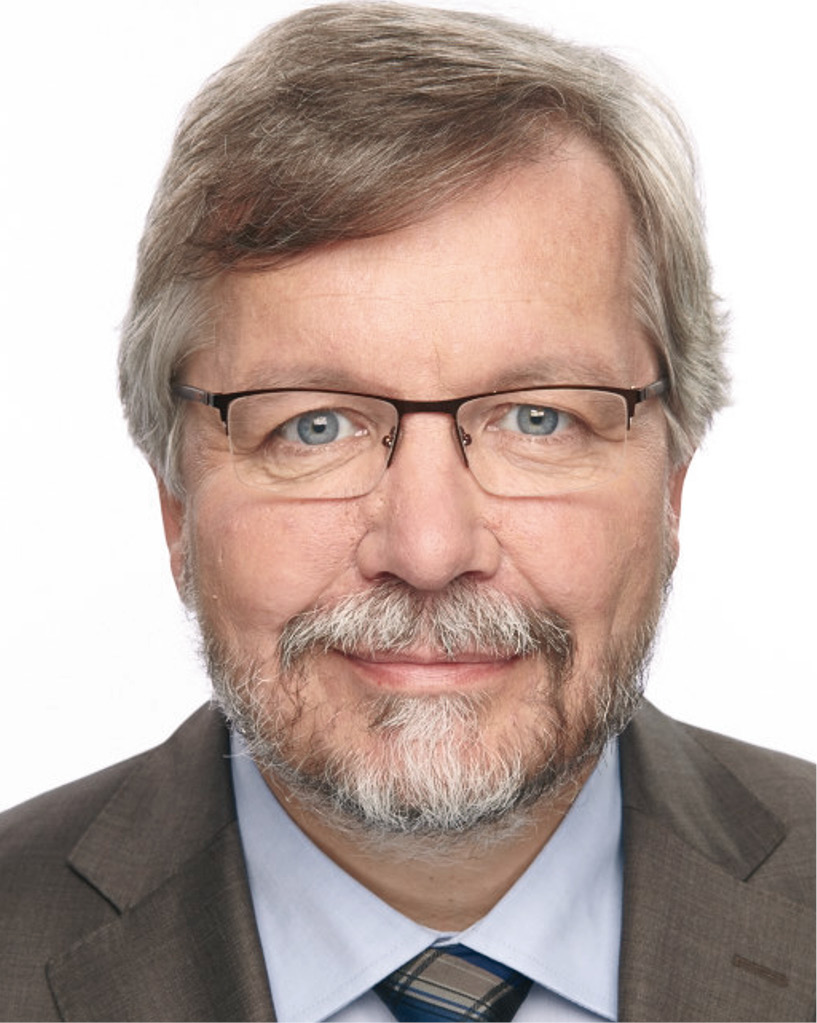
Harald Möhlmann
Advisor to the Board of Directors, AOK Nordost – The Health Insurance Fund
Which specific components of the proposed legislation do you think should and could possibly be implemented as individual measures?
At present, it appears unlikely that any of the planned or initiated legislative proposals – except for the issues of abortion and organ donation – can be advanced during the current Bundestag term. And even after the new Bundestag is constituted, the speed of action will depend on the outcome of the federal election and the composition of the Bundestag; however, the principle of discontinuity prevents a seamless transition to "old" legislative proposals.
This broadens the focus to include the actual needs for legislative proposals; even technically – to put it mildly – controversial activities such as the "Healthy Heart Act (GHG)" should then initially be pushed into the background. The focus is on core problems, as expressed in the Left Party's hearing in the German Bundestag in December 2024 (German Bundestag – Health experts support fundamental reforms):
“In the opinion of the Association of Statutory Health Insurance Funds (GKV) Reforms are essential to strengthen statutory health insurance and social long-term care insurance. A fundamental requirement is the strict separation of tasks and financial responsibilities between the federal and state governments, the association explained, citing the financing of non-insurance benefits as an example. Sustainable structural reforms are necessary given the scarcity of human resources. The contractual options available to health insurance companies for needs-based care should be expanded.."
“During the hearing, the individual expert Franz Knieps from the BKK umbrella association for a better cross-sectoral care Not much has been achieved in this regard in recent years. Knieps called for the abolition of sector separation and the establishment of joint needs planning for outpatient and inpatient care and to define uniform quality standards.”
My personal opinion is that two issues should be addressed immediately and quickly:
- The financial stabilization of the statutory health insurance system is the most urgent task, both with regard to debates about the stability of a social, solidarity-based health insurance system and to reduce non-wage labor costs in the economy and increase purchasing power, even among people with lower incomes. One immediately viable approach to this would be to increase the subsidy for non-insurance benefits from the federal budget in 2025 and in subsequent years to the health fund to a realistic level. However, this would likely require reallocations in the federal budget; the most far-reaching would be the financing of infrastructure investments through loans and the resulting use of the flexibility in the federal budget for the very short-term financial stabilization of the statutory health insurance system. Two consequences are associated with such an approach: (1) the financial situation in the statutory long-term care insurance system must be sustainable in 2025 so that a fundamental reform can be implemented there starting in 2026. (2) the structural conditions in the statutory health insurance system must be changed in the short term so that the "financial breathing room" is not used up by the complete assumption of non-insurance benefits; This includes a review of the additional EUR 50 billion funding for the transformation of hospital care.
- The necessity of changing the structural conditions in the statutory health insurance system is based on the following facts: the Federal Republic of Germany spends the most on health care (per capita, adjusted for purchasing power) in Europe, life expectancy in Germany has recently fallen below the European average, and the satisfaction of the inhabitants with the health care system in Germany is declining significantly (FAZ_July2024_Healthcare_Documentation; Healthcare Barometer 2024 – PwCHowever, the structural changes raise a key question: after all the experiences of the last 30 years, do further, highly detailed solutions developed centrally at the federal level provide a sound path into the future? Is "more of the same" really sensible?
If it is true that human health – both in terms of risk and care – is a local, regional product, wouldn't a solution approach with explicit and sufficient competence in regions be a better alternative to ever more centralized, detailed solutions? This approach could be pursued – while observing the principle of discontinuity – by resuming work on a Health Care Strengthening Act. The approach of equipping health regions with competence would then be a very central part of this law. And there are already concrete proposals for solutions: the Federal Council's response to the GVSG draft or – more targeted, because even more clearly aimed at overcoming sector boundaries in health care – the AOK Association's proposal "Health Regions – Shaping Sector-Independent Care" (Position paper on health regions). This includes the proposal for Section 123 of the Social Code Book V, which I am enclosing verbatim in the attached file.
link Position Paper 2024
SURVEY: GP-2025/10: Astra Zeneca


Dr. Helen Beckmann
Senior Patient Affairs Manager Astra Zeneca
I am pleased that we can provide you with detailed feedback on necessary reforms (measures), particularly with regard to the Healthy Heart Act (GHG) you mentioned:
- Cardiovascular diseases are the most common cause of death in Germany, accounting for one-third of all deaths in 2021. At approximately 57 billion euros, diseases of the circulatory system caused the highest costs for our healthcare system in 2020. Under ideal preventive conditions, approximately 90 percent of all cardiovascular diseases could be avoided.
- Through targeted political measures towards Prevention and early detection and quality-assured care can not only mitigate the dramatic health and economic impacts, but also significantly improve the lives and quality of life of millions of affected people. the aging population and the prevalence of risk factors such as type 2 diabetes (11%), chronic kidney disease/CKD (10%) and hypertension (30%) comes the Secondary prevention and early detection a key role.
- Therefore, it is It is crucial to continue to advocate politically for the prevention and early detection of cardiovascular diseases and their risk factors. A law to reduce the burden of disease caused by cardiovascular diseases and to strengthen cardiovascular health in Germany by improving early detection and treatment of risks, high-risk diseases and cardiovascular diseases and strengthening medical prevention is necessary.
- The The focus should be on improving early detection and structured care We believe that the further development of health check-ups through the introduction of age and risk-based extended services in the area of cardiovascular diseases is sensible. Introduction of a Check-Up 50 with a focus on cardiometabolic diseases a useful addition to the existing "Check-Up 35" to detect the increased risk of disease in this group at an early stage. Relevant risk factors such as type 2 diabetes, CKD, hypertension, and dyslipidemia should be taken into account. Existing early detection programs such as the Check-up-35 should be expanded and regularly developed furtherThe basis for this should be current evidence.
- The development of a DMP for insured persons requiring treatment with a high risk of cardiovascular disease ensures that a Structured follow-up treatment for patients with risk factors such as hypertension or chronic kidney disease after preventive examinations such as the Check-Up 35 or Check-Up 50.
- We believe that opening up existing DMPs such as the DMP Type 2 Diabetes or the DMP Chronic Heart Failure to patients with an existing risk of developing a DMP disease is sensible in order to ensure early, structured treatment.
- Health insurance companies and treating physicians should be required to offer structured follow-up treatment in disease management programs (DMPs) to patients with a chronic illness or at risk of developing a chronic illness. These programs should be regularly updated to reflect the current state of scientific knowledge and consistently aligned with medical guidelines such as the National Care Guidelines (NVL). The need for implementing new DMPs must also be regularly reviewed.
I have also sent you our Positions on many other important topics (quality assured care, Medical Research Act - clinical studies, etc.)
SURVEY: GP-2025/9: AOK-BV

Dr. Carola Reimann
Chairwoman of the AOK Federal Association
The end of the traffic light coalition on November 6 also meant the end of numerous legislative proposals from the Ministry of Health. Although the Hospital Care Improvement Act (KHVVG) was finally passed, it has yet to be implemented. Other proposals, such as the Health Care Strengthening Act (GVSG) and the emergency reform, are likely to be suspended.
We assess the draft laws recently planned by the BMG as follows::
- Health Care Strengthening Act (GVSG)
In principle, we see an urgent need for action to strengthen local healthcare, particularly in rural and structurally weak areas.
Unfortunately, the draft GVSG was stripped of its healthcare content during the legislative process.
We therefore advocate that, in a renewed attempt to introduce a pension law, Primary care centers, health kiosks etc. again to focus onto sustainably improve care.
However, proposals such as the introduction of a flat-rate and very high de minimis threshold for cost-effectiveness audits for medically prescribed services or the de-budgeting of specialist groups are not effective and should therefore be rejected.
- Nursing Competence Act (PKG)
The Act to Strengthen Nursing Competence could have set important course for strengthening the autonomy of professional nursing and for the structural development of nursing care insurance.
At least the following suggestions should therefore be implemented:
- Regarding the Transfer of (auxiliary) tasks of health and nursing care funds to third parties Based on two BSG rulings, legal clarity must be created so that the health and nursing care funds can carry out their tasks in an economical manner without jeopardising the trust of the insured in the functioning of the social insurance system.
- Through the planned Recognition of nursing as a medical profession and the representation of reserved nursing tasks in the benefit and contract law of statutory health and long-term care insurance Given the shortage of skilled workers, the nursing skills of nurses can be used efficiently to ensure health and nursing care.
- The planned Strengthening the role of local authorities Particularly in the case of municipal care structure planning (Caring Communities), this is an important measure to secure local care and support structures.
- The proposed regulation allowing those in need of care to use half of their entitlement to day care benefits for low-threshold group care services should also be implemented. This would compensate for the structural lack of day care services.
- Reform of emergency care (NotfallG)
A reform of emergency care is urgently needed, but it cannot be implemented in a short-term or fragmented manner, as the state health departments and the state interior ministries must also be involved. The next federal government must urgently make the modernization of emergency care one of its priorities.
- Health Digital Agency Act (GDAG)
The plans outlined in the GDAG to improve the digital arrangement of doctor's appointments are sensible. However, in our view, it is essential to also to enable digital appointment scheduling by health insurance companies. In addition, there is an urgent need for regulation regarding the agreements for providers of digital appointment scheduling platforms: It should be clarified that only such appointment scheduling platforms for arranging appointments in the statutory health insurance may be used, who have demonstrated that they meet the requirements to be defined.
The proposal made in a non-specialist amendment to the GDAG to Use of insured data to train artificial intelligence We believe that health insurance companies make sense.
- Pharmacy Reform Act (ApoRG)
The pharmacy reform was intended to initiate important changes that would contribute to improving healthcare.
These include the planned regulations to facilitate access to the German labor market and the establishment of pharmacies for foreign skilled workers, to open up prospects for part-time employees to become branch managers, and, in addition, to further develop the career prospects of pharmaceutical technical assistants and to outline opportunities for advancement.
We also believe that the proposed reduction in bureaucracy and increased flexibility are important for facilitating community-based pharmacy care. Appropriate regulations can help make pharmacy care in structurally weak areas more robust and sustainable. Likewise, the adjustment of remuneration planned with the reform pursues the right goal of better supporting nationwide care.
- Bureaucracy Reduction Act
Under the pretext of "debureaucratization," legislators have in the past abolished key elements for compliance and monitoring of cost-effectiveness in healthcare. Bypassing joint self-administration, new services have been introduced whose benefits for patients have not been proven.
A reduction in bureaucracy, for example through the Strengthening the “case dialogue” This allows for direct communication between hospitals and health insurance companies in the event of disputed billing issues, based on the relevant patient records. This avoids both audit procedures by the Medical Service and legal proceedings before the social courts, thus relieving the burden on the overburdened social courts. Instead of continuing to weaken such elements at the policy level, health insurance companies must be provided with effective tools.
- Healthy Heart Act (GHG)
The draft law met with widespread criticism from healthcare stakeholders and is entirely unnecessary. The radical restructuring of disease management programs it proposes jeopardizes the care of chronically ill patients, overburdens physicians' practices, and burdens the finances of statutory health insurance funds. The draft law undermines proven, certified, and quality-tested preventive services. Prevention must not be limited to preventive medicine—even in the future. Rather, a comprehensive public health strategy is needed to improve the health of people in Germany.
SURVEY: GP-2025/8: BI


Dr. Marco Penske
Human Pharma Germany – Head Market Access & Healthcare Affairs
Boehringer Ingelheim Pharma GmbH & Co. KG
I don't expect any of the drafts to receive approval in the Bundestag. Tino Sorge has expressed his disapproval. Moreover, the minister hasn't made any friends, especially among CDU and FDP members of parliament.
SURVEY: GP-2025/7: Schrappe

Prof. Dr. Matthias Schrappe
University of Cologne
None of these laws make sense to pursue further. The healthcare system in Germany is in serious crisis.
In addition to the well-known phenomena of sectorization, therapy-focused care, and the emphasis on institutional logics rather than the patient perspective, a serious undersupply has now increasingly emerged, a phenomenon that in the past we had only located in purely market-based (USA) or public health systems (UK). The hectic polypragmatism of health policy over the past three years has not provided any relief in any area, but has instead deepened the problem: a move away from evidence-based benefit assessment (Healthy Heart Act), excessive centralization at the federal or BMG level (e.g., the Expert Council on Quality Assurance within the BMG), the disempowerment of the Federal Joint Committee (G-BA), the strengthening of the volume incentive (minimum reserve numbers), the misuse of the quality concept (transparency directory based on far too large service groups), and, above all, a renewed attempt to reform the hospital system through yet another sectoral optimization strategy. This activism (doing everything at once, without consultation, without involving the meso-level, a coalition course with the federal states, and no involvement of the regions) destroys more than it can ever improve. The crucial reason lies in this: there is no adequate analysis of the goals of such reform steps; there are no clues for a strategic selection of the most important problem areas and the appropriate means for meaningful change management. Instead of picking out individual pieces in the middle of the election campaign, a thorough analysis is needed first – after the federal election – that will result in a feasible and promising concept for the further development of the healthcare system and for legislative initiatives. Everything else remains piecemeal, which continually worsens the situation, while contributions for insured persons and employers continue to rise. In short: stop, analyze, develop a strategy, and re-establish targeted activities."
SURVEY: GP-2025/6: XMedia


Dr. Albrecht Kloepfer
Publisher XMedia
It's surprising and depressing that "at the end of the day," health isn't a top political issue. This became especially clear immediately after the collapse of the traffic light coalition. Health was immediately out of the question. A little bit of Europe, a strengthening of the BVG, Ukraine—and that was it.
All this considering the healthcare industry's 13.8% GDP and the personal impact literally "for everyone" (sooner or later). We absolutely have to change this weighting!
SURVEY: GP-2025/5: APS

Prof. Dr. Stefan Schröder, MHBA
Member of the board of the Patient Safety Action Alliance
The premature end of the traffic light coalition has significant implications for the planned healthcare reforms in Germany. It is expected that the laws initiated by Federal Health Minister Karl Lauterbach will not be passed as a whole, but that individual measures from the respective draft laws can be implemented.
The Act to Strengthen Healthcare Supply (GVSG) will certainly be significantly amended. However, the abolition of budgets for general practitioners could be passed as a standalone measure, as it enjoys broad support among the medical profession and improves access to primary care. Funding the establishment of medical care centers with cross-sectoral care models could also be passed as a standalone measure, as it improves primary care, which is relatively uncontroversial.
The E-Health Act also offers potential for individual measures. This concerns, on the one hand, the creation of technical standards for digital health applications and electronic patient records, and, on the other hand, the promotion of AI applications in healthcare, as digitalization is a clear priority and these points are practical and forward-looking.
The Nursing Competence Act will come into force. A severe nursing shortage requires changes and decisions. Economic conflicts of interest stand in the way. Nevertheless, reforming this service area is essential. Expanding the skills of nurses by promoting the academicization of nursing can be adopted as a promising individual measure.
The emergency services are already undergoing a transformation even without the Emergency Services Reform Act. The introduction of portal practices as central contact points and the digitalization of emergency processes could be implemented independently of the Emergency Services Reform Act. These measures represent a significant improvement in emergency care that appears urgently needed and is politically easy to justify.
There will be no truly sensible decisions regarding the Bureaucracy Reduction Act at the moment; the "thing" is hyper-political and currently dead. Nevertheless, reducing bureaucracy is a cross-cutting issue and desired by all parties involved, so that the abolition of multiple documentation with a simplification of documentation requirements and the digitalization of billing systems with the introduction of standardized digital systems would be logical individual building blocks.
Ensuring the supply of pharmaceuticals is an urgent problem that must be addressed independently of other reforms. Measures to ensure supply in rural areas should also be decided on now in isolation. The success of the law will depend on how well it succeeds in reconciling the needs of all stakeholders – from patients to pharmacies to pharmaceutical companies. Pharmacists will continue to play a central role in the healthcare system in the future: Personal advice and support from pharmacists will remain indispensable, especially when it comes to complex or safety-related pharmaceutical issues. Mail-order pharmacies and discount stores will become indispensable as complementary distribution channels, especially since they are already established in other European countries. However, the safe supply of pharmaceuticals to patients must not be lost sight of. The planned Pharmacy Reform Act requires realistic implementation strategies, sufficient financial resources, and close monitoring to avoid negative impacts such as regional supply deficits.
Although the draft of the "Healthy Heart Act" (GHG) has been passed by the Federal Cabinet, it is still in committee deliberations, so it remains to be seen in what final form the law will be passed and when it will actually come into force. However, prevention is widely accepted and can quickly bring health benefits, so swift passage and implementation of the law can be expected.
A consistent focus on patient safety is essential for legislation to create a healthcare system that both meets the individual needs of patients and is able to address social and economic challenges. Measures to promote patient safety reduce the long-term costs of preventable complications, hospital stays, and litigation. Expertise from medicine, nursing, health sciences, and patient advocacy groups should be incorporated into the development of legislation, and existing regulations should be regularly reviewed and adjusted for their impact on patient safety.
SURVEY: GP-2025/4: BMC


Prof. Dr. Lutz Hager
Professor of Healthcare Management at SRH Fernhochschule – The Mobile University and BMC Chairman
1. Health Care Strengthening Act (GVSG)
From the BMC's perspective, the draft Health Care Strengthening Act (GVSG) lacked a clear strategic vision and remained vague in many areas. While innovative approaches such as health regions, case and care management, and primary care centers were discussed in draft bills, these concepts were not included in the draft bill. Against this background, we advocated for the discussed concepts of primary care centers and health regions to be reinstated in the draft bill and supported the corresponding recommendations submitted by the Federal Council on June 19, 2024, to amend the bill. These approaches are crucial for advancing the structural development of local healthcare and meeting the demands of a changing healthcare landscape.
In our view, the following points must be taken up again:
• Introduction of primary care centers: As a new operating model for multi-professional, cooperative, and coordinated primary care, municipalities should be able to initiate provider-independent primary care centers, not only in underserved regions. These centers should at least include primary care and the services planned under the KHVVG in cross-sectoral care facilities and be integrated into a regional care network. This represents a forward-looking step toward strengthening regional healthcare and ensuring regional, cross-sectoral care.
• Care and case management: A key element of regionally and cross-sectorally networked care is also the management of patients and the coordination of necessary healthcare services through care and case management (patient guides). The additional reimbursement for these services from the EBM, as found in previous drafts of the GVSG, is appropriate for this purpose.
• Introduction of health regions: The introduction of health regions aims to create regional networks that improve cross-sectoral cooperation in healthcare and address local needs. Regional networking and cross-sectoral cooperation are key to better healthcare.
2. Nursing Competence Act (PKG)
The promotion of preventative measures, the greater involvement of volunteers, and low-threshold support services are important steps to ensure the security of care. The desired expansion of the medical skills of nurses, which should relieve the burden on medical staff and enable more efficient, patient-centered care, was also positively highlighted. Despite these steps in the right direction, however, further action was still needed. The regulations for the transfer of medical tasks to nurses still required individual doctor-specific transfer, and the options for assuming medical services were not yet sufficiently extensive. The restriction imposed by individual doctor-specific transfer is not necessary as long as the skills concerned are original nursing and therapeutic skills that meet international standards. As a result, the regulation in the PKG had the potential to relieve the burden on medical staff and limited the autonomy of nurses.
In our view, the following points must be taken up again:
• Fast track and simplified proof of benefit for DiPA: The BMC also supports the simplified proof of benefit and the introduction of the fast track for DiPA, as this will also enable digital applications in the market and thus in everyday care. Digital applications can contribute significantly to stabilizing home care and must be integrated into everyday care.
• Recommendations for nursing aids and medical devices: As part of their service provision, nurses should be able to make specific recommendations regarding the provision of nursing aids and medical devices, the necessity and requirement of which is assumed under certain conditions. The Federal Association of Nursing Insurance Funds will establish guidelines by the end of 2025 that regulate the qualification level of nurses, the recommended medical devices and the application process. The BMC fundamentally supports strengthening the role of nurses and advocates for clear regulations on the transfer of medical tasks. This strengthens the independence of the nursing profession and promotes the quality of care, as nurses close to patients can make needs-based recommendations. This development is a positive step towards greater responsibility for nurses. At the same time, it must be ensured that the recommendations are
sufficient qualified nursing staff to continue to ensure the quality of care.
• Regional networks: To improve the care and support of those in need of care and their families, €20 million should be made available annually from the long-term care insurance equalization fund for regional networks and a national office should be set up to promote structured cooperation in regional networks. The BMC welcomes the promotion of cooperation in regional networks as they have the potential to significantly improve the care of those in need of care and their families. In addition to stronger networking, they promote patient-centered care, particularly through cooperation between doctors, volunteers, nursing services, pharmacies and other relevant institutions and people. In addition, population-specific health needs can be addressed through regional adaptation of care. In addition to coordination across different service providers and locations, the integration of all support and health-oriented services - medical, nursing, therapeutic, social services, among others - is necessary.
• Delegation of medical services: The authority of nurses should be expanded by allowing them to independently provide medical services and issue prescriptions for home care, provided they have the appropriate qualifications. The BMC fundamentally welcomes the greater involvement of nurses in healthcare, particularly through the delegation and independent performance of expanded medical tasks. This helps to ensure the provision of care, relieves the burden on medical staff, and increases flexibility in care, for example when nurses administer vaccinations. The autonomy of nurses is strengthened and their role in healthcare is enhanced. At the same time, multi-professional collaboration between nurses and other professional groups is promoted, which supports efficient and patient-centered care.
3. Healthy Heart Act (GHG)
From the BMC's perspective, the measures contained in the draft bill for the further development of structured treatment programs (DMPs) represent a step in the right direction. However, they were not sufficient. From the BMC's perspective, further steps are needed, particularly regarding digital documentation and data transmission, further administrative simplifications, and the possibility of providing care for multimorbid patients within the framework of DMPs.
In our view, the following points must be taken up again:
• Strengthening DMPs: The Federal Joint Committee (G-BA) should be commissioned to adopt a DMP guideline for the cross-disease care of patients at increased risk of developing cardiovascular disease. The current approval of DMP contracts by the Federal Social Security Office (BAS) should be abolished. Furthermore, the G-BA should establish quality targets according to which quality-based reimbursement should be made for DMPs for types 1 and 2 diabetes mellitus and coronary heart disease. Requirements for DMP training should be specified. Health insurance funds should be required to offer their insureds DMPs for which the G-BA has adopted requirements and to conclude contracts with the associations of statutory health insurance physicians to this end.
From the BMC's perspective, continuous treatment of chronically ill patients is a crucial key to reducing the strain on the healthcare system and counteracting the progression of diseases. In particular, the coordinated care process offers the opportunity to improve the care of chronically ill patients, reduce their risk of death, and improve the overall
To reduce treatment costs. Therefore, the BMC supports the goal of strengthening DMPs and further increasing their impact on healthcare. However, the BMC is critical of the abolition of the DMP program fee, which would recklessly sacrifice positive incentives for the dissemination of DMPs.
SURVEY: GP-2025/3: AOK BW

John Bauerfeind
Chairman of the Board of AOK Baden-Württemberg
In some health policy projects, the failure of the traffic light coalition prevented worse outcomes, such as the draft of the Healthy Heart Act, which would have significantly curtailed preventative measures. We also needn't mourn the Pharmacy Reform Act or the Health Digital Agency Act. However, the Health Care Strengthening Act missed an important opportunity for sustainable structural changes in the outpatient care landscape. Forward-looking approaches from earlier drafts, such as health regions and primary care centers, were deleted during the process. These would have improved working conditions, strengthened interdisciplinary collaboration, and provided access to intersectoral care. In view of the ever-increasing staff shortages in nursing, the Nursing Competence Act would have strengthened the autonomy of professional nursing and thus created an attractive framework. The planned strengthening of the role of municipalities and prevention in the context of long-term care needs are also important starting points that must be pursued further. A reform of emergency care is also long overdue, with the establishment of "Medical Emergency Rescue" as a separate segment in the German Social Code (SGB V). In the future, not only transport to hospitals, but also patient management and emergency medical care could be reimbursed as services provided by statutory health insurance funds. However, the sword of Damocles hangs over all these issues: the financing of solidarity-based health and long-term care insurance: Like previous governments, the failed "traffic light" coalition failed to implement sustainable and structural reforms. The most urgent task of the next federal government must be to stop the spiral of higher contributions in health and long-term care insurance.
SURVEY: GP-2025/2: Bertelsmann Foundation


Uwe Schwenk
Director of the Health Program, Bertelsmann Foundation
In our view, the approach of implementing specific components of stalled legislative proposals through individual measures is unlikely and, in itself, does not represent a promising path. Legislation already suffers from the fact that it is rather erratic and is not sufficiently oriented towards internally consistent objectives. Optimistic as we are, we wish every new government constellation the strength to find cross-party agreement on key strategic lines of long-term policymaking (e.g., regionalization) in order to develop a long-term reform roadmap on this basis.
Of the reform approaches and topics listed below, we believe that the following offer the greatest chance of being taken up again by the successor government in the short term:
- Emergency care
- Digital Agency Health
- Reducing bureaucracy
Otherwise, we'd like to refer you to Matthias Gruhl's worthwhile commentary on the topic of "legislative bargain basement" in the Observer. We are working closely with him on several topics within the framework of the Health Transformation Hub. I've attached our latest publication on readjustments in the emergency services for your information.
SURVEY: GP-2025/1: MSD

Dr. Tim Husemann
Director Healthcare Mgt. & Contracting, MSD SHARP & DOHME
GHG:
"The objective of the GHG to strengthen heart health, in particular by improving early detection of lipid metabolism disorders in adolescents and adults, as well as drug prevention in high-risk patients, remains important. Even outside the legal framework, DMP programs should be further developed to provide incentives for guideline-consistent and target-oriented therapy, for example, in the treatment of hypercholesterolemia. The GBA could establish this measure as part of its regulatory procedures (DMP guideline). Financial incentives through quality-dependent reimbursement can help more high-risk patients achieve their individual cholesterol targets and thus contribute to the prevention of cardiovascular outcomes. Study by the London School of Economics estimates that in Germany alone, around 30,000 deaths could be prevented through better cholesterol management. It is also positive that the GBA has revised the pharmaceutical guidelines beyond the GHG to expand the prescription of lipid-lowering drugs, so that other vulnerable patient groups can also benefit from lipid-lowering therapy in the future, and is continuing to examine the introduction of screening for familial hypercholesterolemia.
The introduction of a mandatory invitation to J1 youth screening by statutory health insurance funds, as called for in the GHG, with the aim of improving HPV vaccination rates, should also be taken up in the next legislative period.
ApoRG:
In our view, the expansion of vaccination offers in pharmacies (from ApoRG) should be implemented as an individual measure.
Reason:
- Vaccination options in pharmacies promote an increase in vaccination rates and can thus contribute to achieving set vaccination targets in Germany.
- Expanded vaccination offerings in pharmacies allow for year-round vaccinations. The more vaccinations offered, the more attractive vaccination becomes as a service for pharmacies.
- The Study by the Office of Health Economics (OHE) from April 2024 calculated that vaccination programs for adults resulted in a 19-fold socioeconomic added value compared to the original investment.
Current status: To date, insured persons have been able to receive vaccinations against SARSCoV-2 and influenza in pharmacies, both as standard and as indicated vaccinations.
Our suggestion: Substantially expand vaccination offerings in pharmacies: Insured individuals who have reached the age of 16 should be able to fulfill their eligibility for vaccinations through standard, indicated, and statutory benefit vaccinations in pharmacies. Furthermore, bureaucratic hurdles (regarding billing, documentation, and space requirements, etc.) must be reduced.