


Falling numbers for MFA training indicate an impending supply bottleneck
23.02.2023 16:00
According to an evaluation by the Federal Institute for Vocational Training (BIBB), 16,656 young people decided to train to become medical assistants (MFA) in 2022. This means that around 500 fewer training contracts were concluded than in 2021, although the need for medical specialists remains high, especially in practices.
The Association of Resident Doctors (Virchowbund) fears negative effects on future outpatient care, because there are fewer and fewer young MFAs compared to more and older patients who need extensive care in doctors' practices.
More and more MFAs are leaving the profession for good
The shortage of skilled workers is made worse by the fact that more and more MFAs with professional experience are leaving the profession and thus the care sector forever. Many report, among other things, enormous workloads due to constantly tightening requirements and increased demands from patients as reasons for their decision.
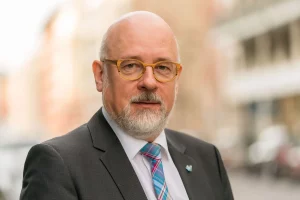
“If the Federal Minister of Health and the health insurance companies care about tomorrow’s care, they have to turn things around today and make the MFA’s working conditions more attractive,” says Dr. Dirk Heinrich, federal chairman of the Virchowbund.
Refinancing through cash registers required
The Virchowbund demands that tariff increases in MFA salaries be refinanced directly by the health insurance funds. In addition, bureaucracy would have to be reduced and a 4-day week with full wage compensation would have to be made possible. “Medical practices that introduce a 4-day week have a real advantage in the tough competition with clinics and health insurance companies for skilled workers,” says Dr. Heinrich. Recent surveys show that 75 percent of all practices have major problems finding specialist staff.
“Cash registers fuel the myth of greedy practice owners”
The Virchowbund boss describes it as cynical that health insurance companies are torpedoing salary increases for MFAs through zero rounds in fee negotiations and at the same time poaching MFAs from practices for salaries that are around twice as high. “Why can the money from the solidarity community be spent on a social insurance clerk, but not on an MFA who looks after dozens of patients every day?” asks Dr. Heinrich. “The health insurance companies still don’t have an answer to this. Instead, they fuel the myth of greedy practice owners who don't give their employees a cent more. The fact that the MFA are not protesting against the doctors, but together with them, exposes the health insurance companies’ clumsy diversionary tactic.”
Since 2021, the MFA tariff salary has increased by 6 percent. Further increases are necessary given the still low salary level and recent inflation, which is why medical associations and the Association of Medical Professionals have been calling for refinancing by health insurance companies for months.