


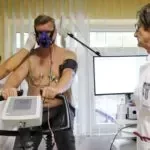
Long Covid requires more understanding and new treatment concepts.
31.01.2023 11:00
Doctors at the Paracelsus Harz Clinic in Bad Suderode propose a reorientation in treatment: Cross-sector collaboration and outpatient aftercare concepts are needed.
As the coronavirus pandemic slowly subsides, it is becoming increasingly clear that the long-term consequences of the disease are far from under control. Above all, the Long Covid syndrome, with its more than 200 symptoms, and the widespread ME/CFS (post-infectious myalgic encephalomyelitis/chronic fatigue syndrome), are now in the public spotlight – following the debates in the Bundestag in January and the associated patient protests. With an estimated one million people affected in Germany, this is now an urgent medical and societal challenge, according to specialists at the Paracelsus Clinics. They are calling for societal recognition of Long Covid as a disease and a fundamental shift in treatment approaches.
A disease with many faces
„We have been treating patients with long COVID syndrome in Quedlinburg for more than two years,” reports Dr. Stefan Schwarz, Head of Pulmonology at the Paracelsus Harz Clinic in Bad Suderode. „We are achieving good results with our interdisciplinary therapy. However, we are far from being able to treat all illnesses at our clinic. Long COVID is a medical chameleon, for which we need entirely new treatment concepts nationwide.” Whether it's persistent concentration or memory problems, respiratory dysfunction, chronic fatigue and exhaustion, word-finding difficulties, or pain – the list of symptoms is long. Added to this are accompanying illnesses affecting the cardiovascular system, neurology, or mental health. The Paracelsus Harz Clinic in Bad Suderode has adapted to this over the course of the pandemic. „We have gradually expanded our range of therapies, starting with pulmonology, to be able to treat patients as comprehensively as possible,” explains Dr. Schwarz. "The classic range of treatments has been revised, expanded to include psychotherapeutic services, and a special cognitive training program has been established. All disciplines within the hospital work closely together to offer our patients the most comprehensive range of treatments possible."„
A change of mindset is required
This also includes the hospital's cardiology department. Adjunct Professor Dr. Axel Schlitt, MHA, Senior Consultant of the Clinic and Head of Cardiology, has been contributing his expertise since 2020 to a committee of 14 specialist societies within the Association of Scientific Medical Societies (AWMF), which developed an initial guideline for the treatment of long-COVID patients. It has now been revised three times, and further revisions are possible. "We are still learning. Knowledge is being pooled and discussed among medical experts worldwide – but there is currently no end in sight," says Professor Schlitt. "That's why the 100 million euros in research funding promised by Federal Health Minister Lauterbach is a sound investment. However, it will take time before results are available. What's important to us physicians is that action is taken now, not in ten years. Every patient must receive the individually appropriate, indication-specific post-COVID rehabilitation – and in a timely manner." His colleague Dr. Schwarz wholeheartedly supports this demand: „We need a fundamental shift in the healthcare system, improved diagnostics, more targeted referrals of affected individuals to suitable rehabilitation clinics, and broad societal recognition and acceptance of the illness.” Both doctors agree that it is unacceptable for patients with symptoms to encounter a wall of societal misunderstanding and be forced to embark on an odyssey through the healthcare system without receiving effective help. „The patients we treat are not malingerers. They want to return to their lives and their jobs,” says Dr. Schwarz. „Long Covid is a societal challenge.”
Sectoral thinking creates gaps in supply.
The biggest criticism from both doctors, however, is that the German healthcare system, with its pillars of acute and rehabilitative medicine and outpatient follow-up care, is becoming a stumbling block for patients. Skillful transition management and the reduction of barriers could close existing gaps in care and effectively prevent the chronicity of COVID-related illnesses, or at least the development of secondary conditions such as depression and anxiety disorders. "We need a cross-sectoral approach to the treatment of long COVID. General practitioners who diagnose symptoms must be able to act immediately and initiate appropriate medical rehabilitation," says Prof. Schlitt. And the care doesn't end after rehabilitation. "We may have to prepare ourselves for outpatient follow-up care lasting months and years," says Dr. Schwarz. "Certified regional counseling centers within the network for long COVID patients would also be a valuable addition." They could work closely with psychosocial, physiotherapy, and occupational therapy providers, self-help groups, and medical practices to assist in finding treatment placements and developing effective, cross-sectoral treatment pathways. Just as with research funding, investments in aftercare structures are crucial here, emphasize the doctors at the Paracelsus clinics.
Exemplary cooperation
In Bad Suderode, action has already been taken. There is close contact with the employers' liability insurance associations (Berufsgenossenschaften) regarding follow-up care after rehabilitation. Meetings are held regularly every two weeks with the rehabilitation managers from the BGW Magdeburg and Dresden, as well as the accident insurance funds. Together, they review the patients' condition and consider which outpatient measures are necessary after rehabilitation. The agreed-upon seamless continuation of care has proven successful. Patients, treating physicians, and rehabilitation managers alike are very satisfied with the results. "Due to its multidisciplinary approach and the length of post-acute treatment, medical rehabilitation could play a crucial guiding role in the long-term care of patients with COVID-19," summarizes Dr. Schwarz. "It is important to recognize the capabilities of rehabilitation in Germany as part of the solution and to create suitable access for those affected.".