


Free pharmacists are angry!
13.08.2012 12:29
The independent pharmacists and with them the majority of German pharmacists are more than angry about Dr. Philipp Rösler (Federal Minister of Economics and Technology) and the skirmish over the planned increase in pharmacy fees.
The impression arises that the highly paid civil servants may not be able to read or understand the figures presented by the pharmacists. Dr. Rösler and his ministry completely ignore the inflation adjustment that has not taken place for eight years, the considerable additional costs that have arisen since the discount agreements and the legally anchored savings contribution of over 200 million euros passed on by the wholesalers to the pharmacies.
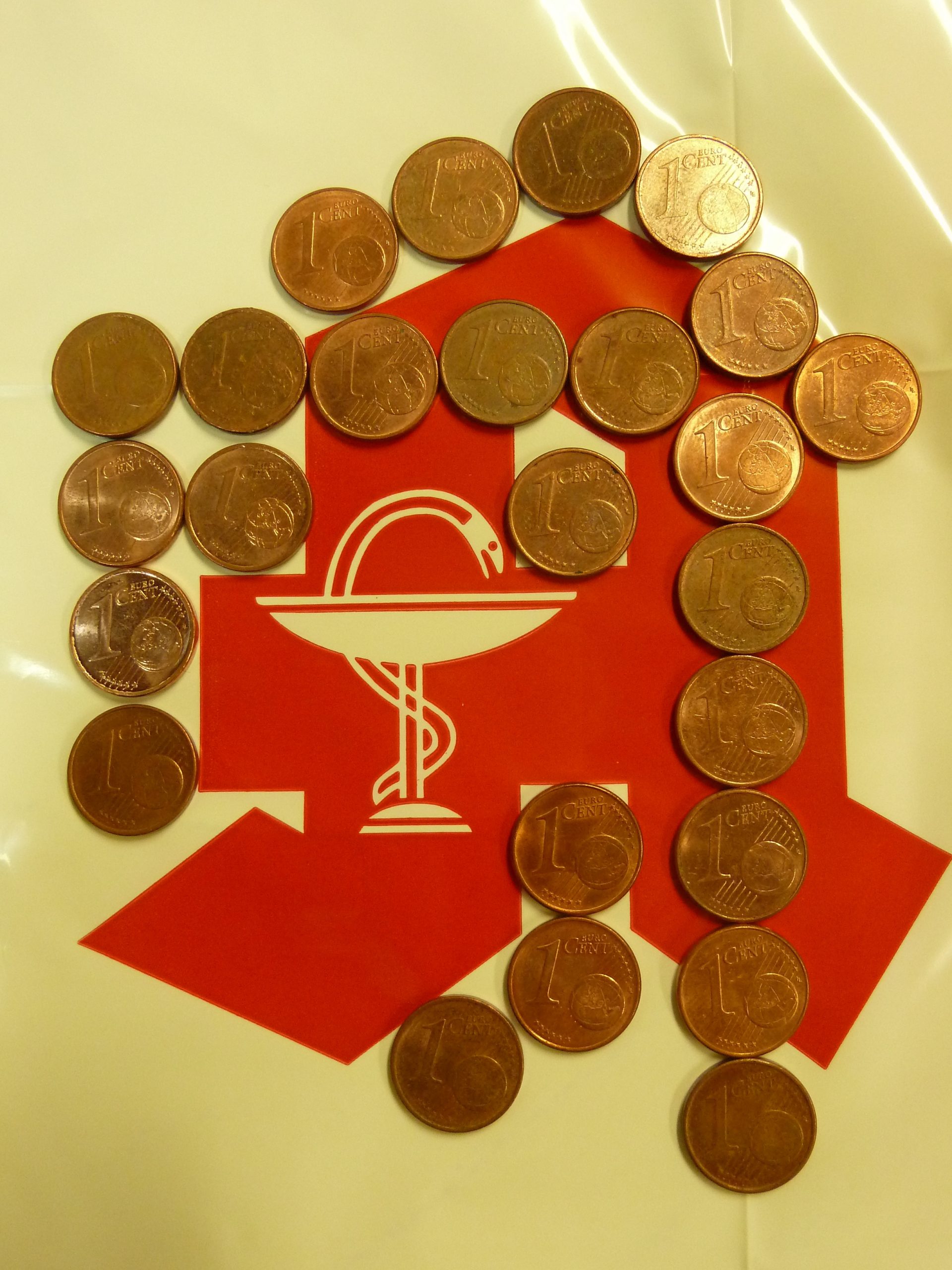
An adjustment of 25 cents per prescription pack would correspond to an increase of almost three percent. The 25 percent discount (= 2.05 euros) that the health insurance companies deduct from the pharmacy fee is repeatedly swept under the carpet and simply “forgotten” by politicians.
A conceivable alternative would be to completely cap the health insurance discount. As a result, the package price would not increase and patients would not be burdened additionally. Due to the surpluses and the good economic situation of the health insurance companies that is expected to continue in the future, this discount is no longer necessary. The pharmacies are increasingly burdened by the health insurance companies with additional services to be provided, such as debt collection from the insured and up to six weeks' advance payment, i.e. pre-financing from pharmaceutical wholesalers, until the health insurance companies have settled the monthly bill. The legislature does not take this into account in any way. It is also hard to understand why, on the other hand, despite the alleged lack of money, a whopping 2 billion euros were given away to the medical profession in the last 24 months.
In the area of statutory health insurance, pharmacies have a politically desired mandate to provide the population with medicines across the board and around the clock. If this is to continue to be the case in the future, then politicians must provide pharmacists with sufficient financial resources to fulfill this mandate. Of course, this also includes generating profits, as with other healthcare providers. The pharmacies have so far fulfilled their mandate to provide the population with medicines around the clock in an excellent manner, including providing social care for patients and insured persons. However, if the financial means to supply medicines are not guaranteed, the pharmacies may, conversely, no longer be obliged to continue to maintain this supply.
Pharmacies have already been asked to pay heavily by politicians several times in recent years. Laws have been passed that are based, for example, on the number of packs dispensed in pharmacies. If fewer packs are delivered, the fee should be increased. This plan was turned into the opposite by some clever moves by the ministry - as a result, this decision alone cost German pharmacies more than 400 million euros.
It's no wonder that citizens trust politicians less and less. The German pharmacists also had to learn that promises, coalition agreements and laws were not being adhered to. Domestic and foreign mail-order pharmacies are allowed to use statutory health insurance companies on the market without having to comply with legal requirements such as cost-intensive emergency services, the preparation of prescriptions that usually do not cover costs, compliance with bureaucratic and therefore expensive pharmacy operating regulations and much more.
Politicians must finally let the cat out of the bag and present their apparently secretly wanted concept of “Germany without pharmacies” to the citizens. The pharmacists suspect nothing other than such a concept behind the tactics of Rösler, Bahr and the Health Committee of the German Bundestag, which met with representatives of an American pharmaceutical company a few months ago during a trip to the USA. One must even assume that the Chancellor, who otherwise interferes in the work of every ministry, supports this idea. There is no other way to understand the recent decisions taken against independent pharmacists by the federal ministries, parliament and its representatives.