


3 years of AMNOG: collection of materials for further development
05.05.2014 15:15
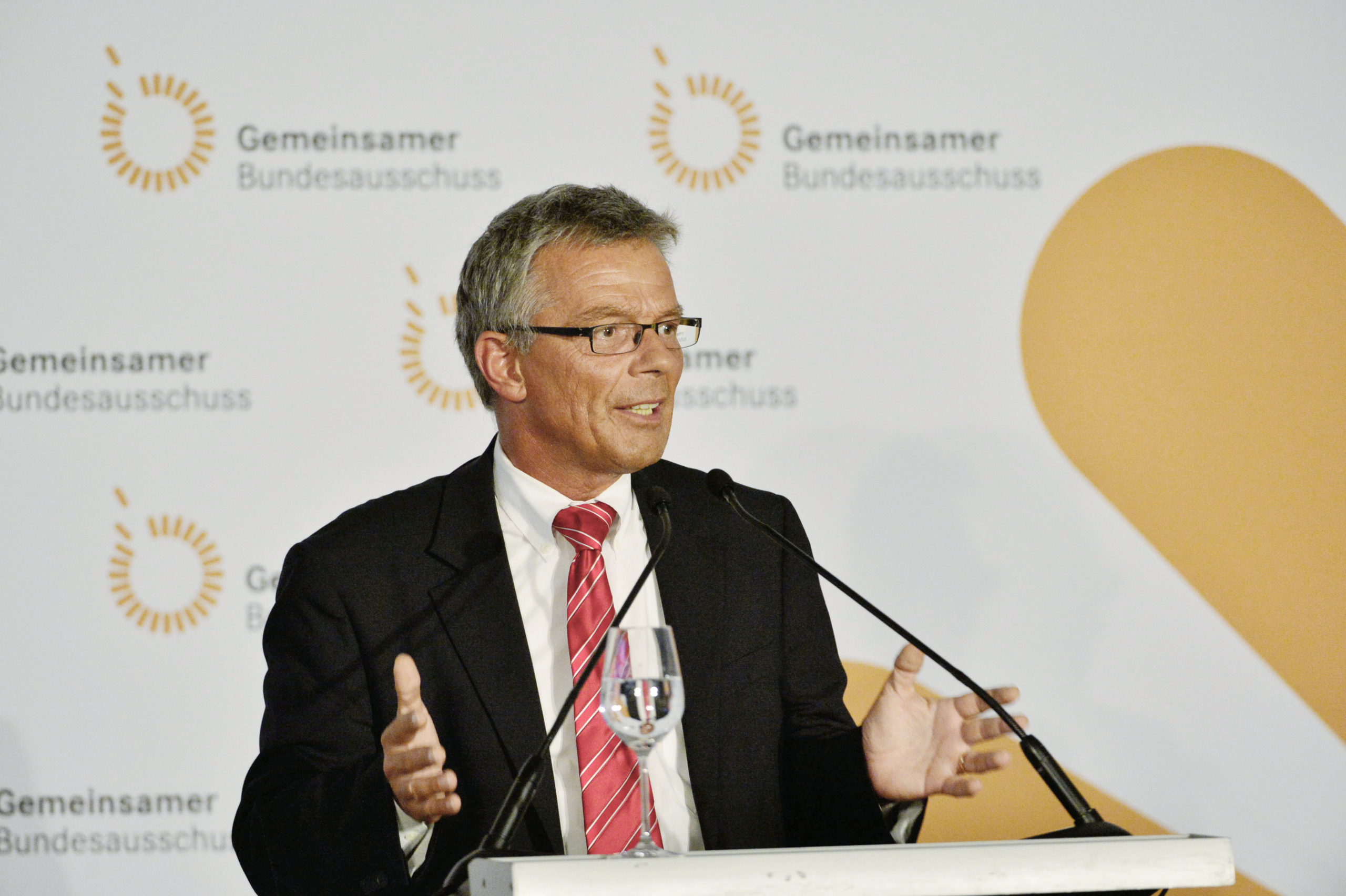
After 18 lectures, a real tour de force from a wide variety of perspectives through three years of early benefit assessment, Josef Hecken, impartial chairman of the Federal Joint Committee, ventured a summary of the G-BA's AMNOG conference, which also served as an assessment of the status of a possible further development of the now established , but the details may still be controversial; all the more so because the Federal Committee is the absolute master of this process, which can now process and accept the suggested suggestions, criticisms raised and detailed improvements. Or not.
After Hecken had already explained in his greeting that he considered “further development” based on the experiences of the past three years “no fundamental change in the system”, but rather changes in the sense of one He already had an understanding of “fine-tuning” at the beginning formulated six theses. These theses (see box), starting with the one that AMNOG is not It was a novelty and did not lead to chaos in the supply of medicines, they said seIn my view, impulses for the vorders the AMNOG conference, which was intended to collect material for in-depth discussions. Unfortunately, given the day-long lecture marathon, there was not a single second left to discuss and discuss the detailed suggestions put forward Zsince, a fact that many of the more than 200 attendees at the conference viewed as a wasted opportunity.
Nevertheless, the AMNOG conference gave a deep, although not surprising for insiders, insight into the structure, the process and the detailed problems that had already come to light and that had already been mentioned in many places, which Hecken eloquently summarized in his closing remarks, but also immediately classified from his perspective. In his opinion, the first session of the conference was less about the procedure in the G-BA and more about the “alleged inadequacies” in the subsequent reimbursement amount determination process. Here he mentioned two problem areas: firstly, that the specified appropriate comparative therapy also serves as a price anchor, secondly, that in some cases no dossiers were submitted at all because the pharmaceutical companies - according to Hecken - had probably said to themselves, "What should we do?" “We will destroy this legal price anchor” by perhaps even confirming the hypothesis that the product in question is “worse than the appropriate comparative therapy” by making data available. In this respect, in Hecken's opinion, a “very differentiated approach to actual existing practice” is necessary here. A fact that became clear to him in many of the points he made.
For Hecken, an important topic that often came to light at the conference were all questions related to mixed pricing.
…
Read the detailed report in the upcoming issue of Health Services Research Monitor (MVF)