





Zum Inhalt springen
Sponsorship
Die MVF-Knowledge-HubsFrisch aus der Forschung. Täglich aktualisiert!

Suchen Sie in Hunderten nationaler und internationaler Datenbanken nach dem neuesten Studienwissen der angegebenen Themengebiete und/oder lassen Sie sich werktäglich per Newsletter informieren. Die Newsfeeds werden auf deutsch übersetzt and nach Übertragbarkeit auf das deutsche Gesundheits-/Versorgungssystem ausgewählt:

Zu den Knowledge-Hubs

Reflection on the funny

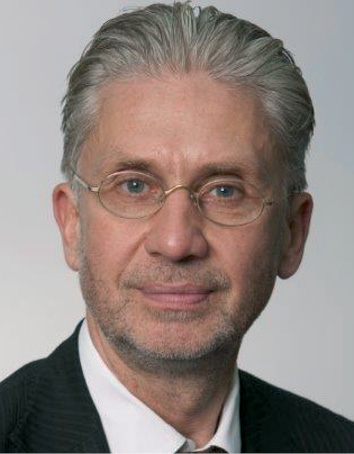
Dipl.-Social Dr. rer. pole. As managing director, Wolfgang Klitzsch headed the “General Questions of Health, Social and Professional Policy” department of the North Rhine Medical Association from 1992 to December 2013, for which he will continue to advise after 22 years in office. He was honorary chairman of the board of the European Public Health Center, North Rhine-Westphalia (EPHZ) and is also an honorary board member of the Federal Association of Managed Care eV (BMC). He gave this contribution as a speech at the BMC's last annual reception in Berlin.

Read more
First publication date: 28.05.2013
Additional Information

Plain Text

>> Everyone who spends a long time in the German healthcare system will at some point ask themselves the question of the deeper laws underlying recurring health policy interventions; in other words, what rationale underlies the whole thing?

As a social scientist, I am in the privileged role of observer. At first it occurred to me that the paradox could explain action in the field of health policy. How else could one understand that the liberal party, which is interested in personal responsibility and deductibles, after great efforts, is abolishing the first deductible (practice fee) relevant to the German healthcare system. However, longer reflection inspires the observer to make an observation that goes even further, which I would like to briefly highlight below.

I argue that upon closer observation of the ligatures of the German healthcare system, the binding force seems to be the funny thing. Before I color my thesis in a few examples, it must be explained what the funny actually is and to what extent it comes into play as an explanatory variable.
There is no consensus or theory about the comic in either social anthropology or philosophy. Arthur Schopenhauer pointed out that the “sudden
“Perception of an incongruence” outlines the comic, or rather the comic is to be interpreted as a reaction to the ambivalence of human existence (Helmuth Plessner).

At this point we will provide a theoretical foundation...

...

Subscribe to print magazine

Order individual issue

Do you want to leave us already?

Subscribe to our newsletter quickly. Then you can be sure that you won't miss anything.