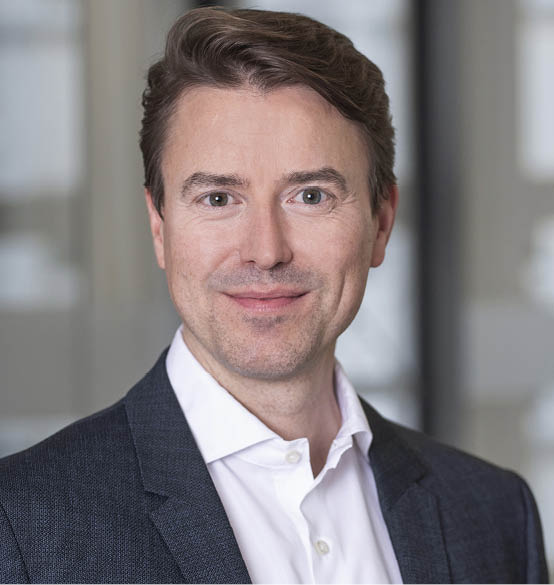
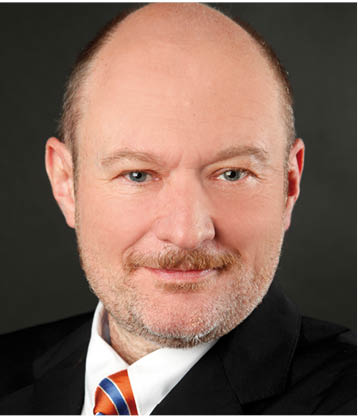
In February 2022, the G-BA's Innovation Committee gave the green light: It is recommended that the health kiosk in Hamburg's Billstedt and Horn districts be included in regular care. Since then, attention has been growing around the low-threshold case management model – politically and in the media. Even though three health insurance companies currently no longer want to finance the health kiosk in Hamburg-Billstedt beyond the turn of the year after Federal Health Minister Prof. Karl Lauterbach presented key points for the nationwide development of health kiosks at the end of August. But who can actually set up a health kiosk? Who should particularly benefit from this? And is the concept also suitable for rural areas? Dr. Oliver Gröne, deputy chairman of the board, and Anja Klose, Project & Healthcare Manager at OptiMedis, gave initial answers in the company's own newsletter.
> According to the announcement by Federal Health Minister Prof. Dr. Karl Lauterbach plans to build up to 1,000 health kiosks nationwide. What is the most important thing?
Gröne: The most important success factor is that a health kiosk is part of a regional multi-professional network in which actors from the health and care sector and municipal services such as health departments or care bases work together. It can also make sense to integrate a health kiosk directly into a primary care or social center where existing structures can be used. In such an interaction between medicine, therapy and social issues, health can be maximally promoted.
Klose: Above all, we have to reach the particularly vulnerable groups in the population. I'm thinking, for example, of people who don't dare go to the doctor because of language barriers. Or to those who are seriously ill and need help but don't know who to turn to. And some people may only need short-term support and guidance to get better again. The problem is often a lack of health literacy or a lack of information about existing offers in the region. This is where we start and make access to the health kiosk as low-threshold as possible, for example by using additional health guides or peers who directly address people across the region and can also be active in their home environment. Easily accessible to the kiosk is also relevant. In an urban environment, it should be in frequented places in a district, for example near a shopping center or bus station.
What is it like, especially in the country?
Gröne: Here, too, we use health guides or peers, because our health kiosk concept provides for a supplementary, decentralized level. They are spread across the district or community and advise people locally - for example in healthcare facilities such as pharmacies, hospitals or clubs. Decentralized advice plays an important role, especially in rural areas. More than 50 Lots:innen are already active in our health regions in Hesse. For certain clinical pictures, specialized helpers can also be used and connected to the kiosk via telemedical care - for example from the areas of oncology or pulmonology.
What advantages does the kiosk have for the medical profession or other stakeholders?
Klose: By controlling care in a targeted manner and improving people's health literacy, we also relieve the burden on those providing care. Unnecessary doctor visits and hospital stays are reduced, which is particularly noticeable in chronically ill patients. The supply structures can be controlled in a more targeted manner. In addition, being part of a local healthcare network brings greater job satisfaction. Work with patients can be made more efficient and at the same time of higher quality if doctors can rely on the multi-professional team in and around the kiosk. Other actors in the region also benefit from being integrated into the local network, e.g. B. Offers can be placed in the health kiosk or the kiosk acts as a coordination point for different services.
You are now probably getting a lot of inquiries about setting up these kiosks. Who is suitable as a carrier?
Gröne: We are approached by a wide range of interested parties, including clubs, doctors and health networks, hospitals and municipalities. In principle, they are all suitable for setting up a sponsoring company, just like medical or social institutions or foundations. What is important is a balanced representation of interests, which means that the relevant actors in the region must be included. Sometimes this is already the case, namely if the kiosk is to be integrated into an existing project or network.
What about financing?
Gröne: At the moment, offers like this are mainly financed through selective contracts with individual health insurance companies. In his key points for the nationwide development of health kiosks, Federal Health Minister Prof. Karl Lauterbach now stipulates that 74.5 percent of the costs should be borne by statutory health insurance, 5.5 percent by private health insurance companies and 20 percent by municipalities. This is met with criticism from health insurance companies, among others. From our point of view, shared savings contracts with a focus on results, such as those we implemented in Gesundes Kinzigtal, are the best solution. <<
Germany's first health kiosk opened in the Billstedt district of Hamburg in 2017. The kiosk concept was developed by OptiMedis as part of the innovation fund project “INVEST Billstedt/Horn” and implemented and further developed together with doctors, health stakeholders, social institutions and other local partners (the history of its origins). The evaluation by the HCHE confirmed: The health kiosk improves care in socially disadvantaged districts of Billstedt and Horn and at the same time relieves the burden on doctors and hospitals.
Link: www.gesundheitkiosk.de