


Paracelsus Klinik Scheidegg establishes institute for rehabilitation research
18.03.2021 15:34
The research work of the new institute is intended to create new, modern therapy and aftercare concepts that optimize the rehabilitation of oncological patients. The aim is to improve the quality of life of these patients, who often suffer from side effects due to tumor therapy.
The prognosis and long-term survival of patients with cancer has improved significantly in recent years thanks to established preventive measures and the development of modern, increasingly interdisciplinary therapy concepts. Data from the Robert Koch Institute show that almost 90% of women with breast cancer are still alive 5 years after the initial diagnosis.
However, some of this progress is only possible through more intensive and longer therapies, which often have different side effects. As a result, the quality of life of those affected is still impaired even after the cancer has healed.
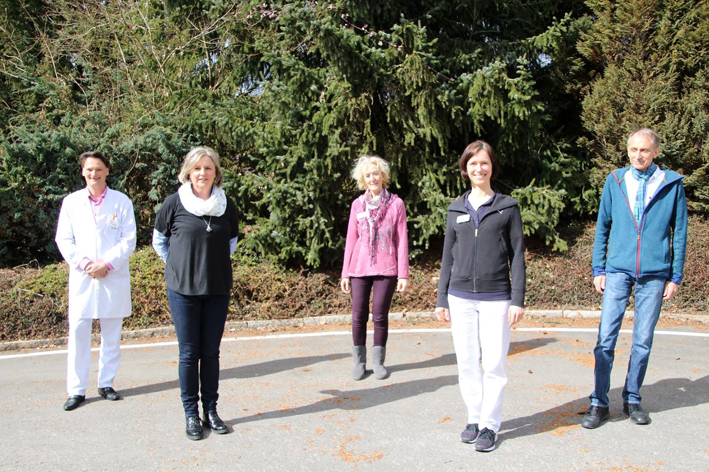
In order to further improve rehabilitation for the affected patients in the future and to develop modern therapy options, the clinic's employees have now founded an “Institute for Rehabilitation Research and Survivorship”, known as IREFOS for short. The Paracelsus Klinik Scheidegg is one of the largest oncological rehabilitation clinics in Germany with more than 3,000 inpatients every year. The clinic's team of therapists and doctors is therefore very familiar with the consequences that modern tumor therapy can have. The team has been working for years to alleviate the effects of therapy on patients during their rehabilitation stay in the clinic, to improve their quality of life and to evaluate the results.
Aftercare projects as a research subject
Employees from various departments at the clinic, such as doctors, therapists, documentary assistants and psycho-oncologists, are entrusted with research work in the new institute. In addition to intensifying rehabilitation and health care research, the institute's goal in the coming years is to evaluate follow-up projects and new therapy concepts, for example for fatigue, i.e. the so-called exhaustion syndrome. Drug treatment approaches in the areas of complementary medicine and “nutritional medicine” will also be analyzed. In addition, data should be systematically collected that shows the influence of rehabilitation on quality of life and patient satisfaction.
As an important step, an extensive tumor database with data from over 10,000 patients has been built over the past two years in order to document typical side effects and impairments in physical and mental health following cancer. This work is being supervised by, among others, three doctoral students from the University of Würzburg. The knowledge gained from this has already been published scientifically.
The head of the newly founded institute is PD Dr. Holger G. Hass, chief physician at the Paracelsus Clinic Scheidegg. The experienced rehabilitation doctor and scientist is sure that the rehabilitation offer for patients with or after cancer will be further optimized based on the findings that are already known and will be further researched in the future. “This allows us to significantly improve the quality of life of tumor patients who suffer from side effects as a result of their therapy,” says Hass.